There is no standard answer to choosing a school that works for every family.
Is a school the right fit for your child? This is not just about choosing a curriculum or a pathway to university—it is about choosing a direction and a future for your child.
Many families want to step onto campus and understand the curriculum, while also wrestling with bigger questions: What can an international education truly offer my child? How should we plan for future university and career pathways?
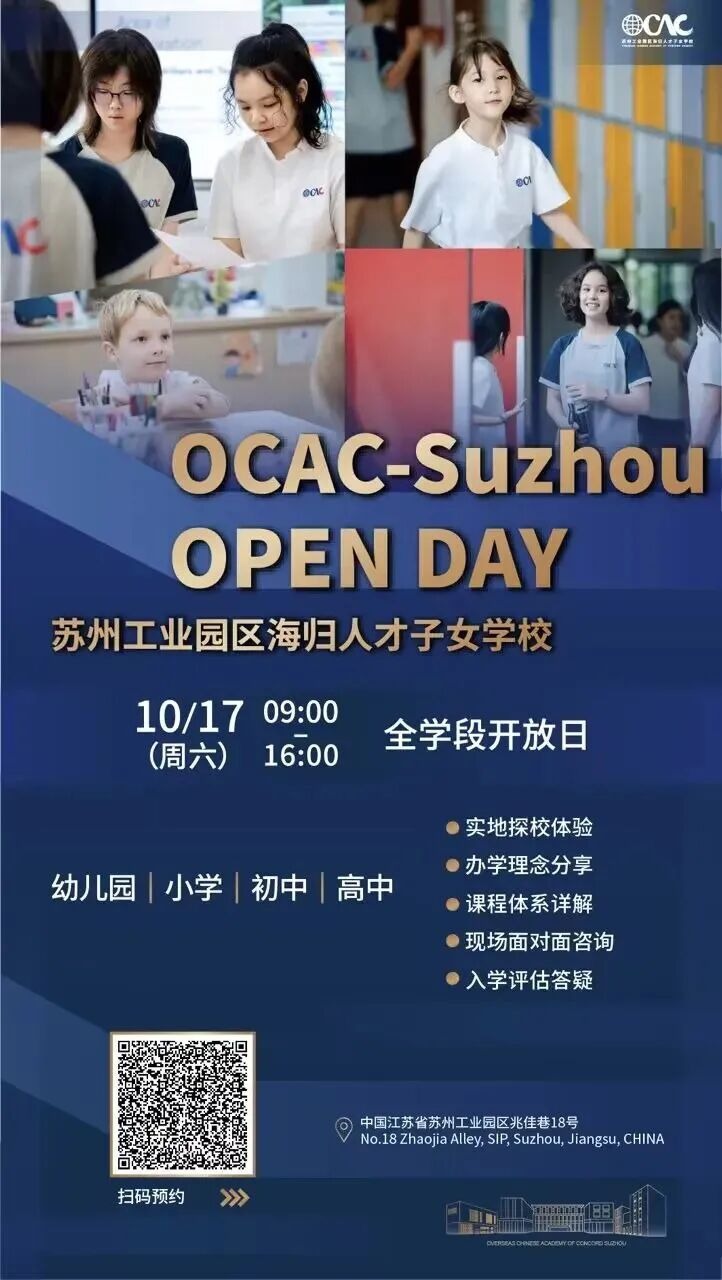
On October 17 (this Saturday), OCAC will host its first All-School Exploration Day and Education Forum of the academic year.
One day, two experiences: an immersive campus tour in the morning to get to know the school and its curriculum; a roundtable forum in the afternoon to meet face-to-face with the principal, current parents, and industry experts, and have an in-depth conversation about the value of international education and the direction in which future talent should grow.

Morning Session
Curriculum Information Sessions by Division
From the real campus environment to the curriculum framework that runs from kindergarten through high school, and on to admissions assessment and academic planning—the questions you care about will all be addressed on site.
Campus Tour: What does the place where your child will learn every day actually look like?
Visit classrooms, laboratories, and specialist facilities; observe student achievement exhibitions; sample food at the OCAC dining hall… and see the everyday life of learning and living here.
Student Taster Class: Can one lesson give you a sense of what makes OCAC different?
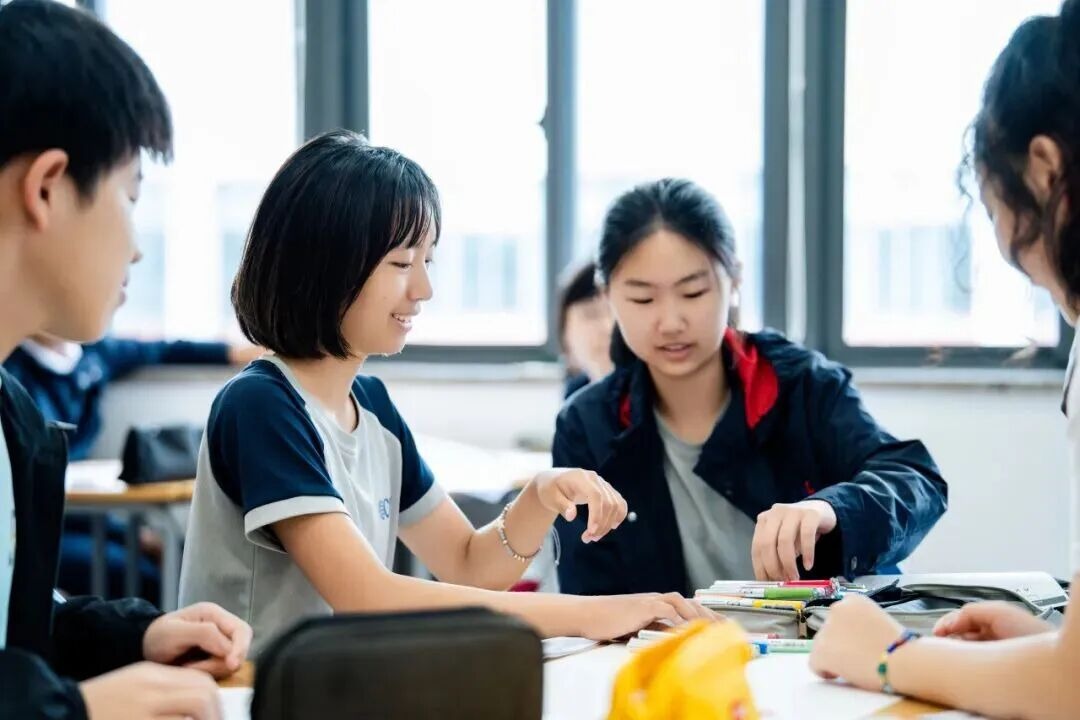
Let your child step into a real classroom taught by Chinese and international teachers, and experience OCAC's teaching approach and campus culture firsthand.
Curriculum Overview: Sixteen-year through-train education—how does it actually "flow"?
Division-specific information sessions will systematically explain the curriculum framework and break down the learning goals and distinctive teaching models of each stage.
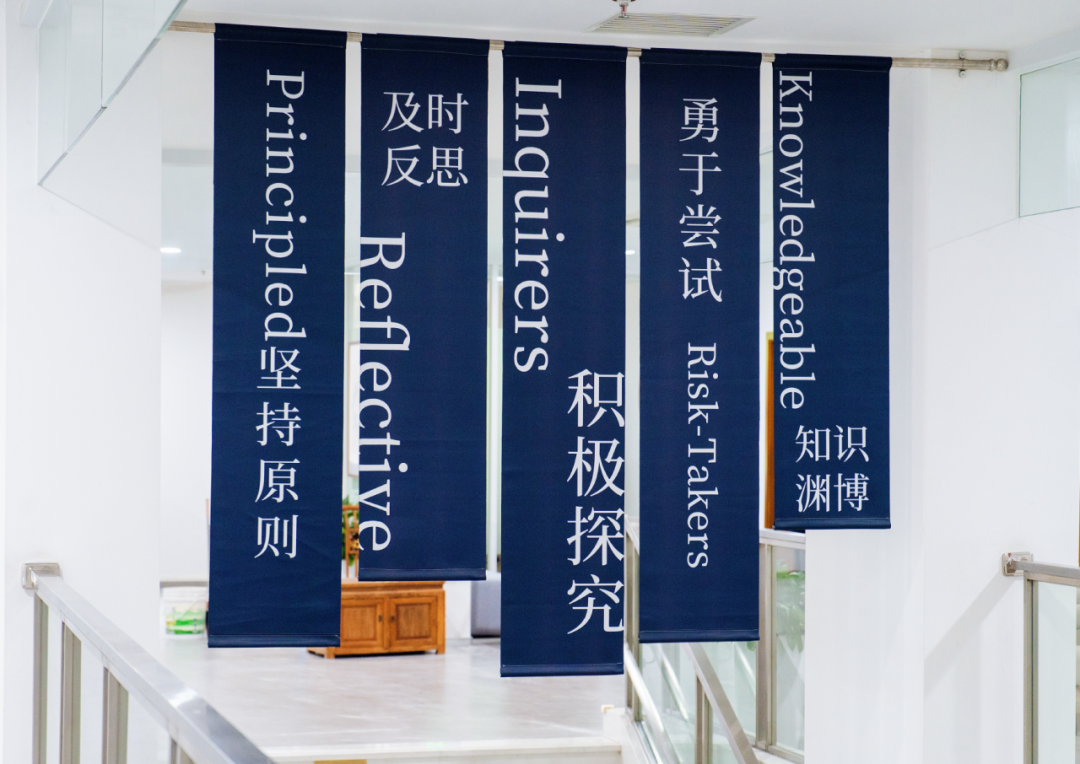
Educational Philosophy: Can academics and character really be balanced?
Listen to the school's educational philosophy and learn how OCAC balances academic growth with well-rounded development—rooted locally while facing the world.
Admissions Assessment Q&A: Policies, standards, transitions—can you get it all clear in one go?
Detailed explanations of admissions policies, assessment standards, grade transitions, and more, to help families clarify their educational planning.
Face-to-Face Consultation: Is this school right for my child?
Speak directly with staff and ask personalized questions about school selection and enrollment based on your child's situation.

Afternoon Session
Roundtable Forum
In the morning, we help you understand "what OCAC is." In the afternoon, we want to answer a bigger question: Why choose an international pathway? Is it worth it? What will your child's future look like?
We bring together multiple perspectives: the principal, university admissions experts, current parents, and industry guests, for in-depth dialogue around parents' most genuine concerns:
Topic 1: Why International Education? — The Meaning and Advantages of an International Education
Is international education just another way to avoid the gaokao? Where does its value truly lie?
Topic 2: From OCAC to World-Class Universities — Pathways and Application Trends
Are the pathways to university at international schools clear? What kinds of students are suited to different curriculum systems? How are overseas university application trends changing?
Topic 3: After Studying Abroad, How Does the Job Market See It? — Frontline Observations from Finance and Study Abroad Industries
How does overseas study experience connect with career development? What abilities do employers look for?
Topic 4: What Kind of Talent Does the Future Need? — A Skills Checklist and Action Plan for Parents
As a parent, what core abilities should you cultivate in your child now, and what experiences and resources should you help them accumulate?
We hope this will be not just a discussion about international education, but an exchange that helps parents clarify their questions, understand different pathways, and think about their child's long-term development.

From Kindergarten to High School
At OCAC, kindergarten through high school is a coherent pathway, with clear goals and an appropriate pace at every stage. We attend to the characteristics of children at different ages and, through a diverse curriculum, provide a learning path that fits each child's development.
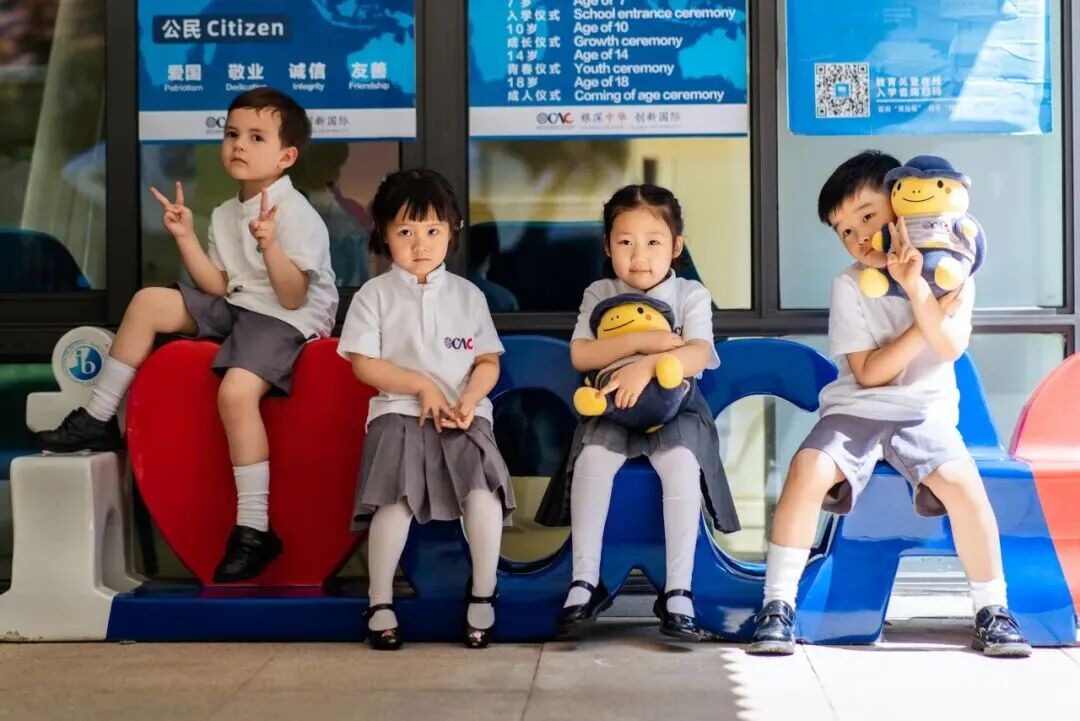
Kindergarten: Discover Through Exploration, Grow Through Experience
OCAC Kindergarten is built around the IB PYP transdisciplinary inquiry curriculum, complemented by specialist subjects, character education, CCA, and phonics, creating a diverse and well-rounded growth system.
Bilingual teaching is used, with differentiated Chinese-English ratios across grades based on child development principles. Inquiry units are carried out in real-life contexts, and game-based learning sparks curiosity and inquiry. Art and physical education nourish well-rounded development; character education cultivates empathy and a sense of community responsibility; CCA encourages children to explore their interests; and phonics builds a solid foundation for reading and writing.
Together, these elements support balanced development in body, emotion, social skills, and creativity, laying the foundation for lifelong learning.
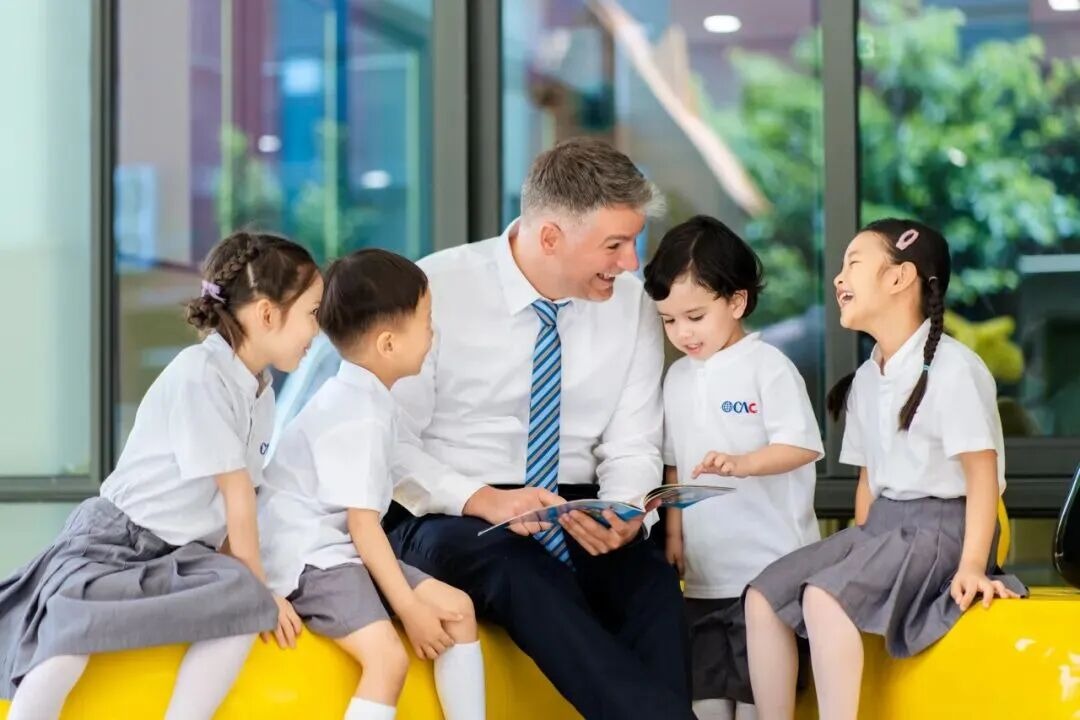
Primary School: Rooted in Chinese Culture, Open to International Perspectives
The Primary School uses China's national curriculum as its guideline and the IB PYP as its curriculum framework, with bilingual immersion teaching split 50/50 between Chinese and English.
Inquiry learning is organized around the six transdisciplinary themes, helping students understand knowledge, build concepts, and develop thinking. Specialist courses such as English Mathematics, Performing Arts, Physical Education, and STEAM are also offered, along with more than 60 CCA elective courses, allowing children to explore interests and develop strengths on a solid academic foundation, gradually growing into proactive lifelong learners.
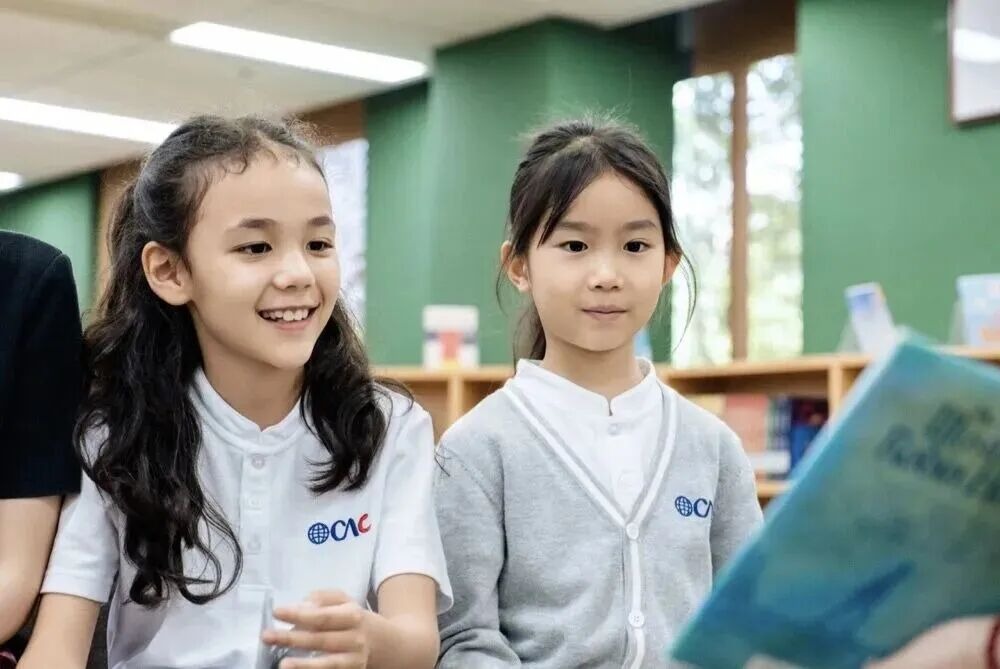
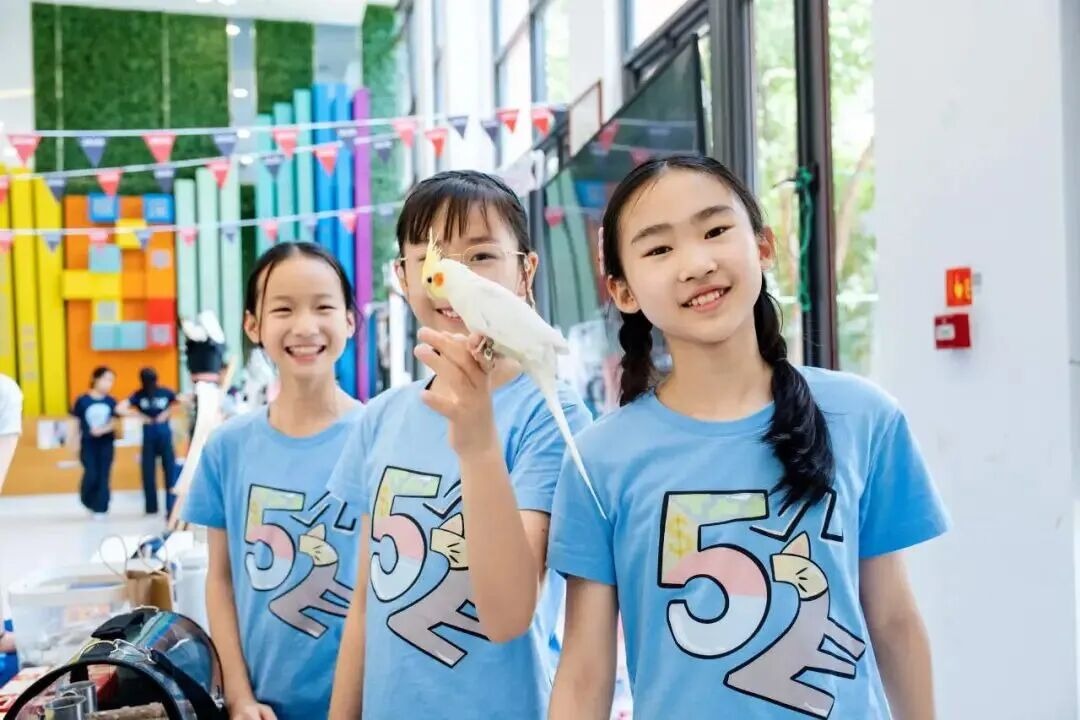
Middle School: Integrating Chinese and International Curricula, Building a Strong Academic Foundation
The Middle School integrates China's national curriculum with the IB MYP assessment framework, covering eight subject groups: Language and Literature, Language Acquisition, Individuals and Societies, Sciences, Mathematics, Arts, Design, and Physical and Health Education.
The curriculum is inquiry-based and concept-driven, with interdisciplinary learning, global contexts, and ATL learning skills woven into daily teaching. Through distinctive school-based courses such as career education, learning skills, mental health, and community design, as well as nearly 100 CCA courses, students strengthen their adaptability, independent thinking, and overall competence, preparing them for IBDP, A Level, or transferring overseas.
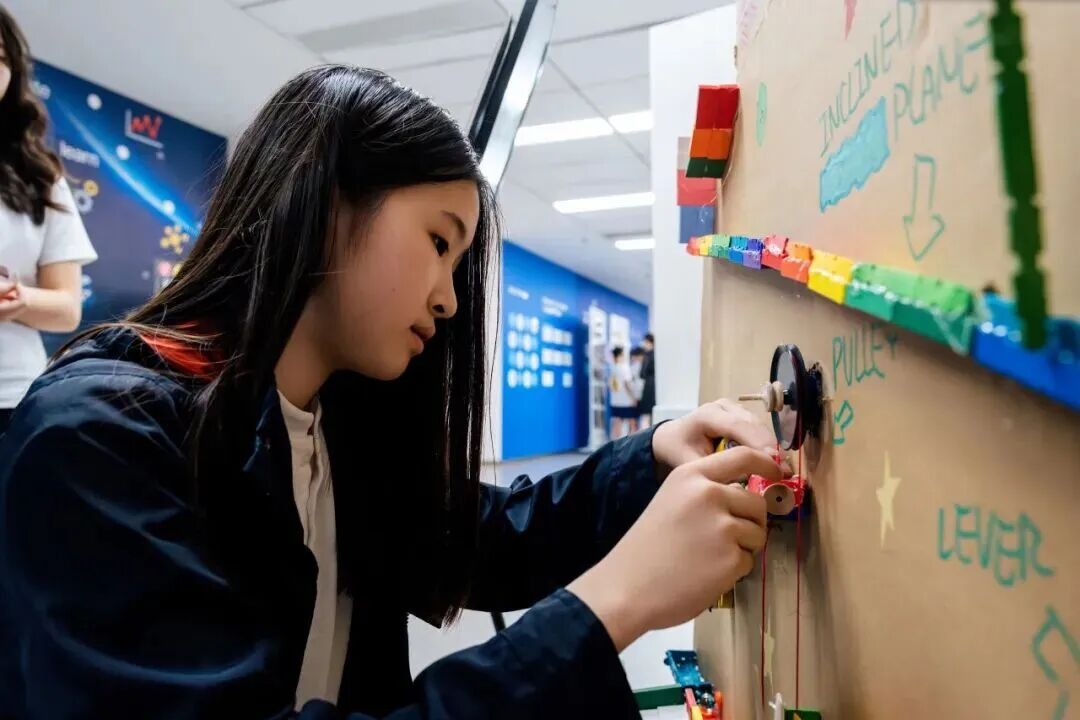
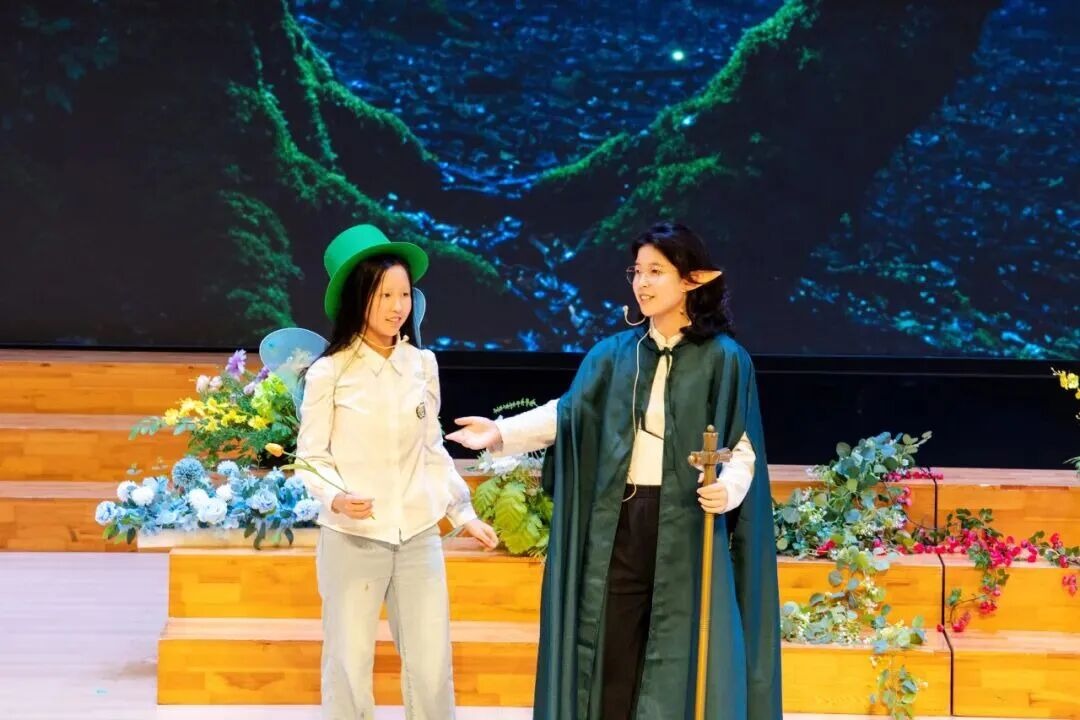
High School: Multiple Pathways, Planning a Future That Fits
The High School draws on international curriculum systems such as IGCSE, A Level, and IBDP, offering students diverse course choices and personalized university guidance.
G9–G10 offers IGCSE, Pre-DP, and Pre-A Level classes, with up to 22 IGCSE subjects, supporting students as they gradually clarify their direction; G11–G12 offers IB and A Level courses, with the option to take additional AP courses.
To support different students' academic interests and development goals, the school also offers three distinctive programs: the Nobel Prize Preparation Program, the Oxbridge and Ivy League Sprint Program, and the Arts and Innovation Master Program, along with a multi-tier scholarship scheme for students who are academically outstanding, strong in a particular subject, or exceptionally talented.
Historically, 90% of graduates have been admitted to world TOP 50 universities, and 100% of art students have been admitted to the world's top art universities.
The Class of 2026—87 graduates—received nearly 500 offers from leading universities worldwide:
In Hong Kong, the admission rate to the top five universities reached 78%, far above the global average of 3%; in the UK, the G5 admission rate was 45%, more than twice the global average; in the US, the Top 50 admission rate was 95%; and admission rates to Canada's top three and Australia's Group of Eight were both 100%.
In the 2026 IB exams, OCAC students achieved outstanding results:
An average score of 38.43 (far above the global average of 30.88); a 100% bilingual diploma pass rate.
In the rankings published by the authoritative IB school platform IB-SCHOOLS.COM, OCAC ranked 18th among thousands of authorized IB schools worldwide, joining the world's TOP 20 leading IB schools.
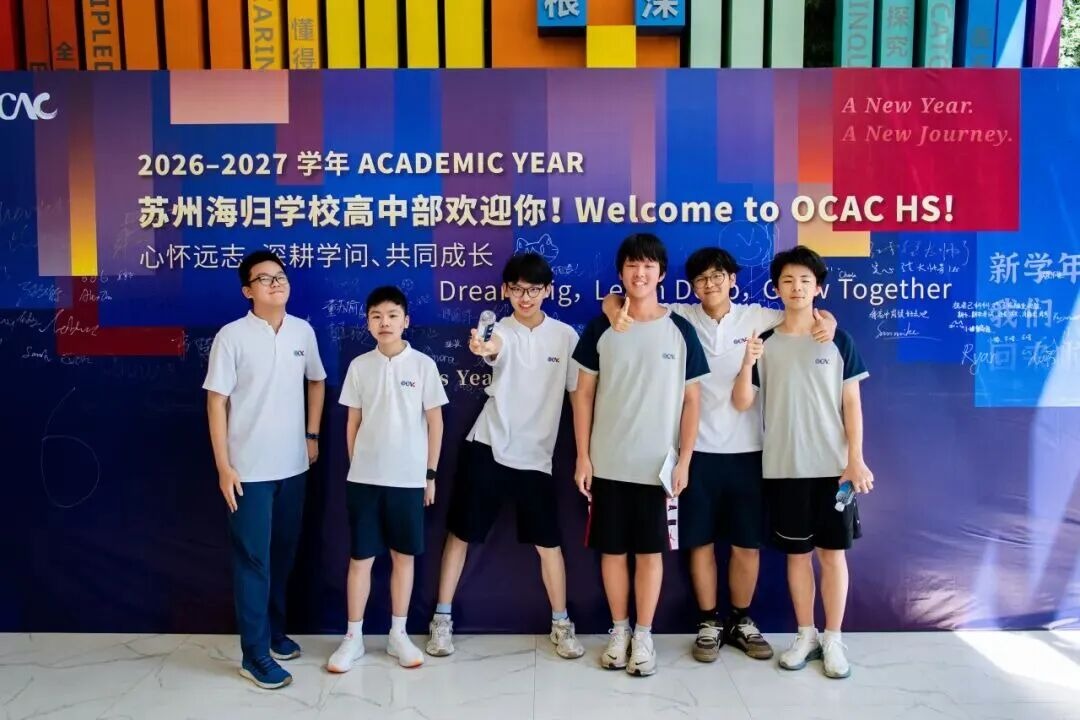
This day, we hope to walk with you—to see the question of choosing a school more clearly, and to see your child's future possibilities more broadly.
Seats are limited. Scan the QR code to reserve your place. On October 17, we will be waiting for you at OCAC.

(Scan the QR code to register for the Open Day)