In September, Tsinglan School's AP Art History students took their learning beyond the classroom, visiting three museums and encountering artworks that brought course themes vividly to life. These study tours were more than opportunities to see art in person. They asked students to look carefully, connect what they saw to their learning, ask questions, and consider how artworks communicate within the cultures and contexts that produced them.
Studying images and reading about artworks are important parts of AP Art History, but seeing objects in person adds another dimension. Students can experience their scale, textures, and materials directly, notice details they may have overlooked, and compare their expectations with what they actually see. They can also reflect on how museums select, label, and display objects—and whose cultural stories are represented.
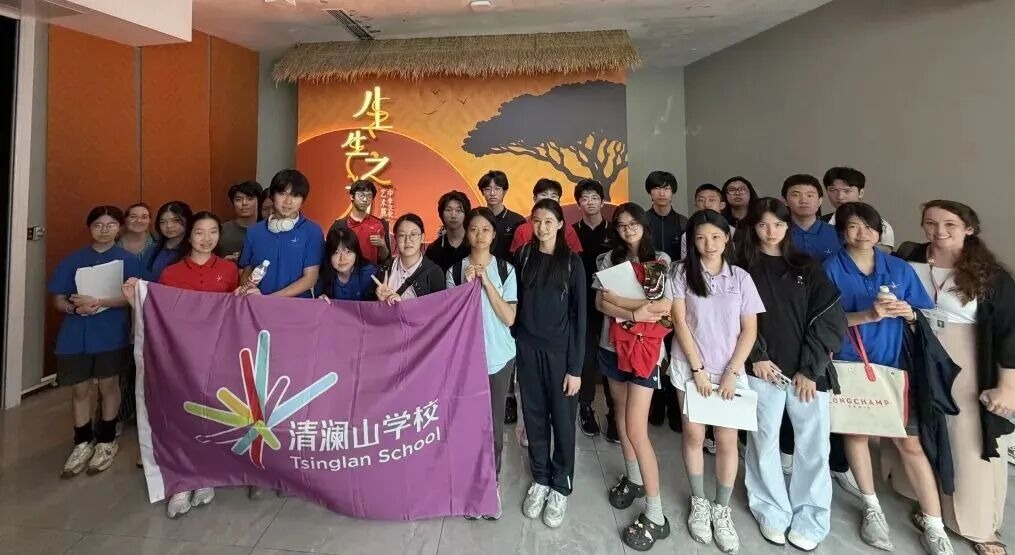
These tours offer Tsinglan students a distinctive opportunity to apply classroom learning in real settings. By preparing with questions and then investigating the galleries through observation and conversation, students strengthened their skills as art historians. They returned with more than new examples for their studies: they had practiced looking closely, thinking critically, and using evidence to understand art in context.
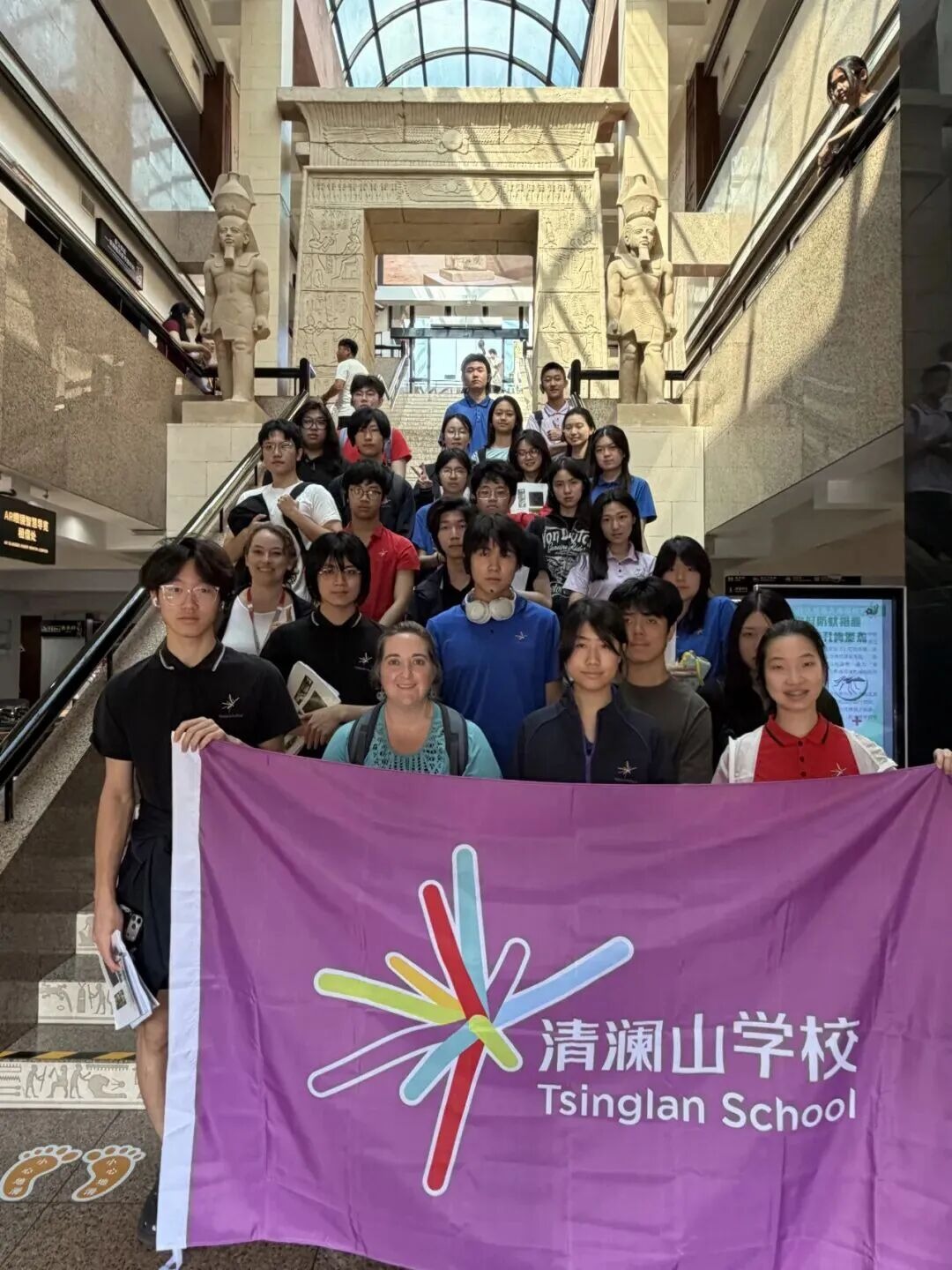
We look forward to offering students many more opportunities to explore art beyond the classroom. Seeing artworks in person helps students appreciate their scale, materials, and details, and reminds us how meaningful it is to encounter art directly. We hope these experiences continue to inspire curiosity and deepen students' understanding of art and the cultures it represents.
Inside the Galleries
The Nanshan Museum
"Arts of the Great Ocean"
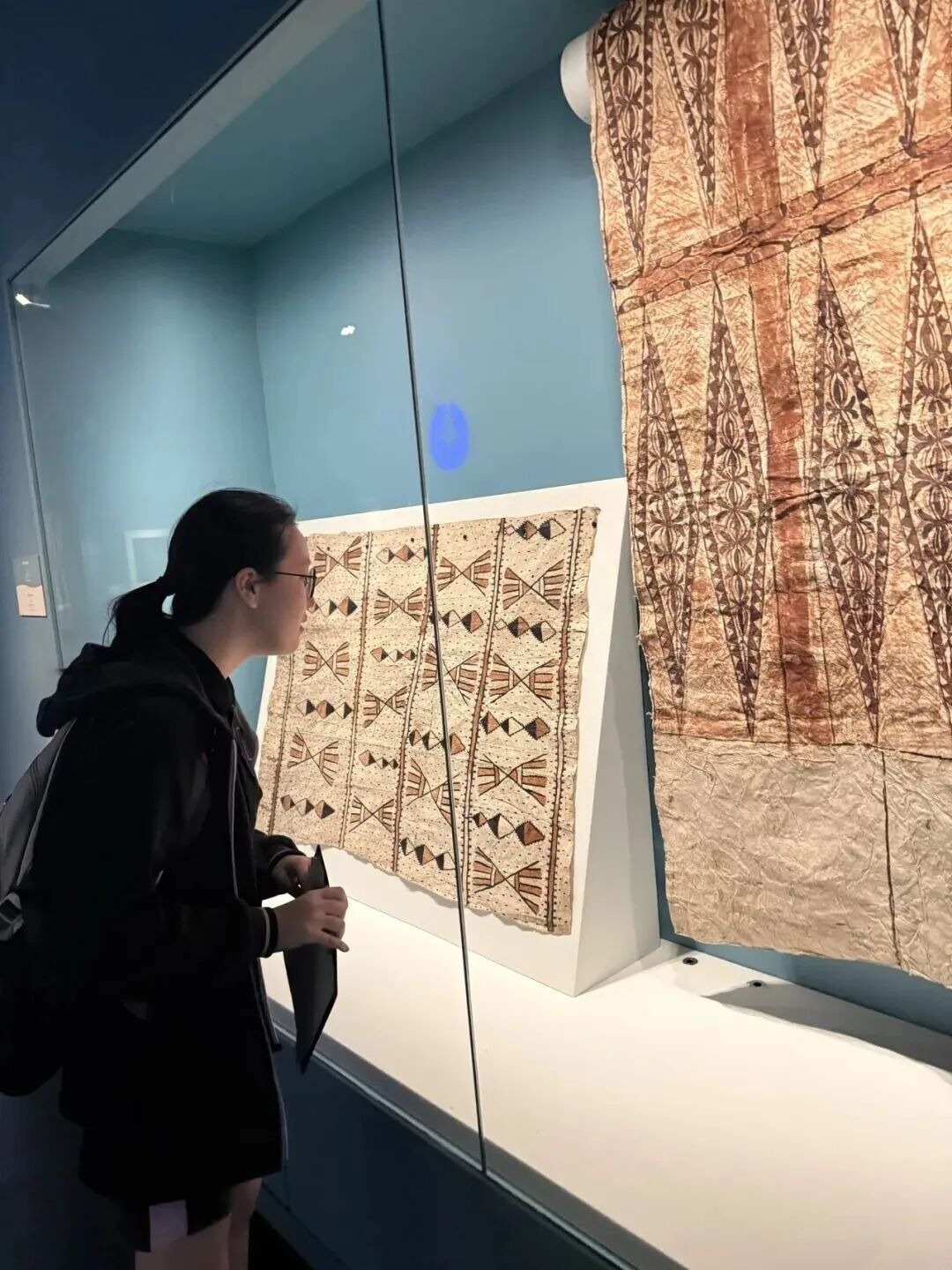
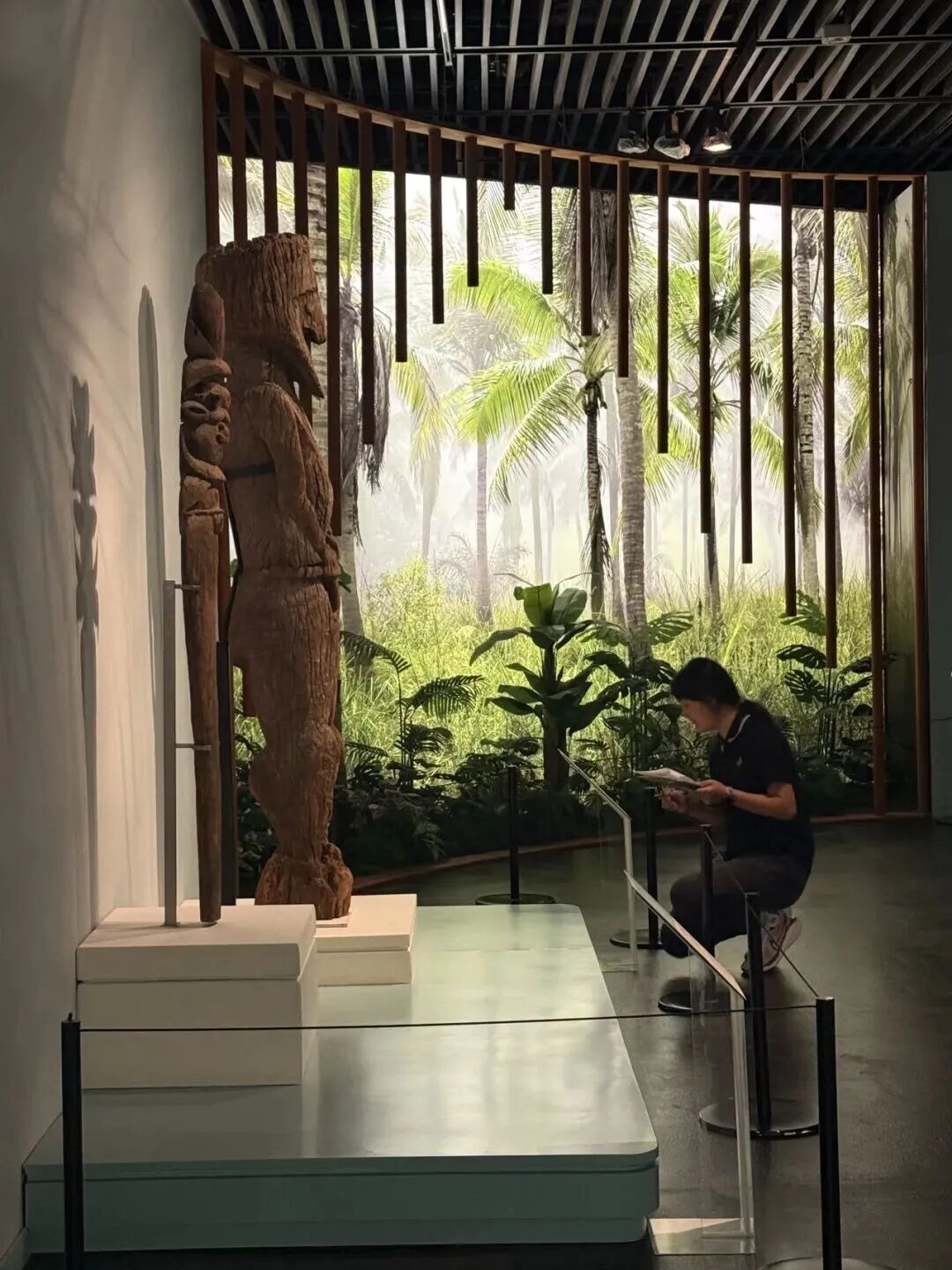
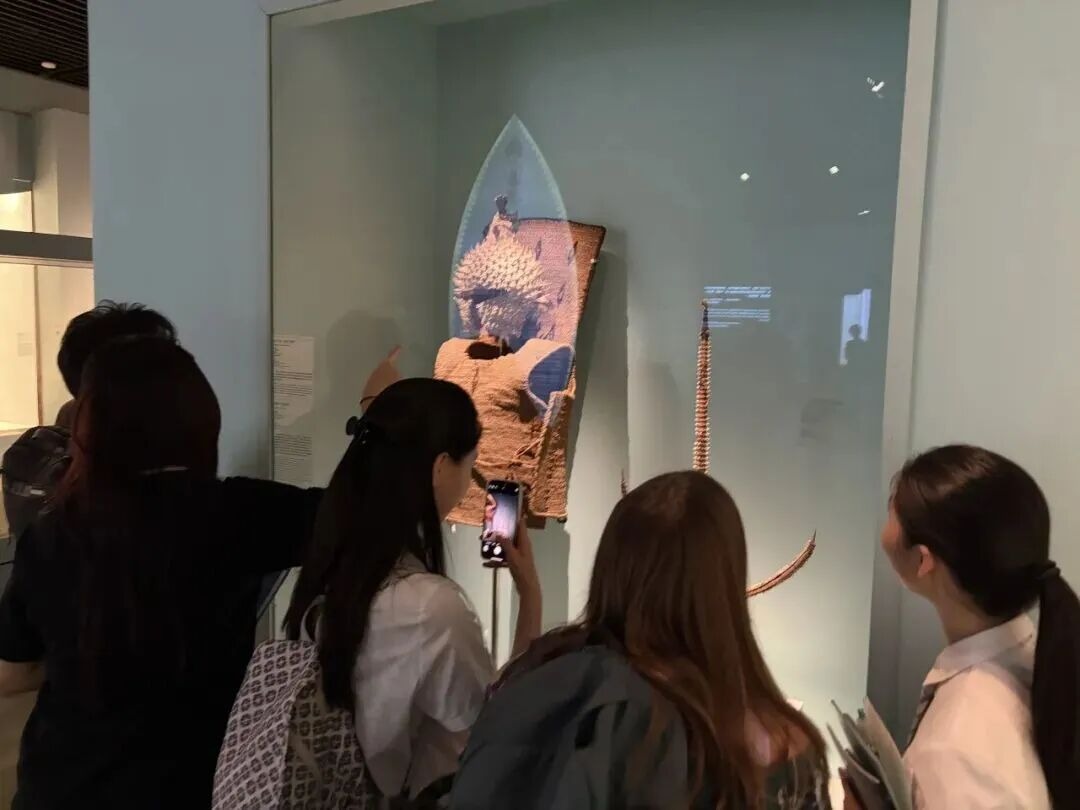
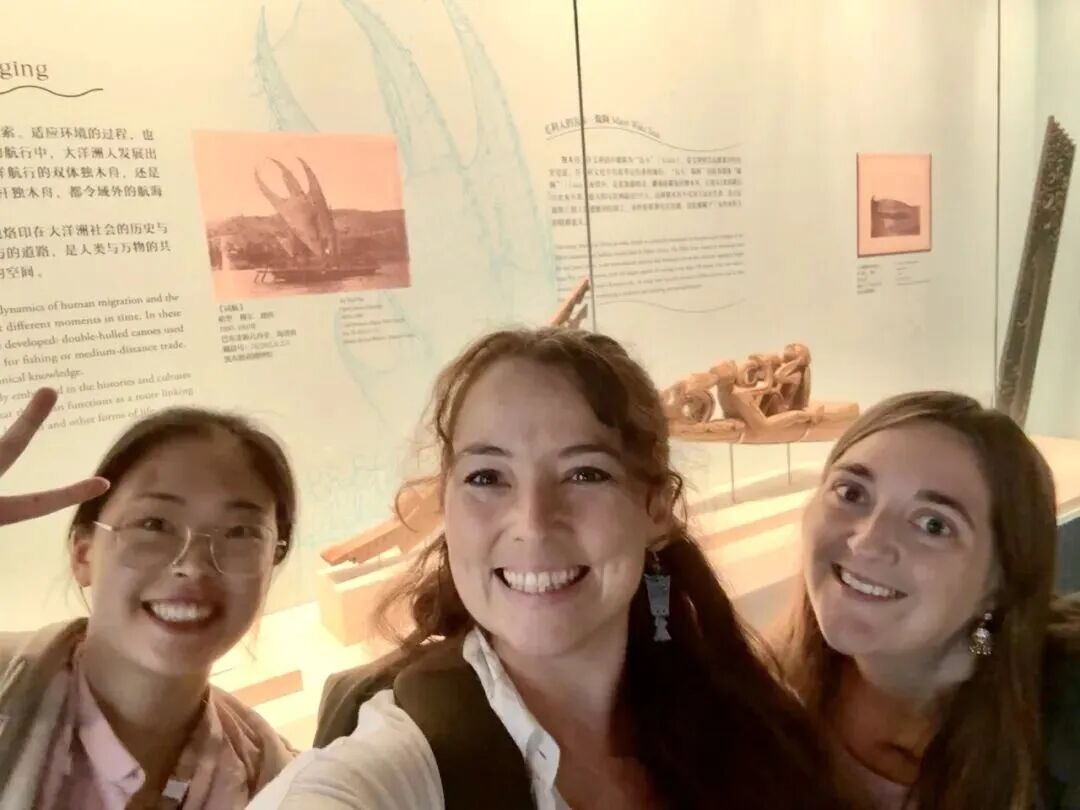
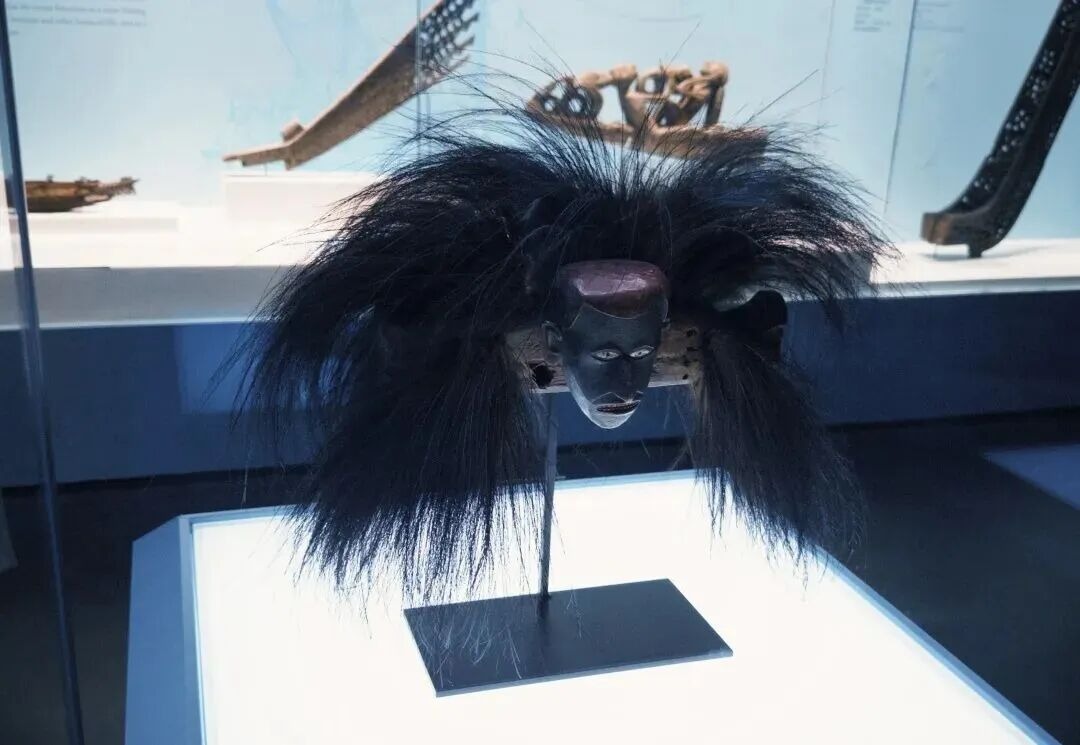
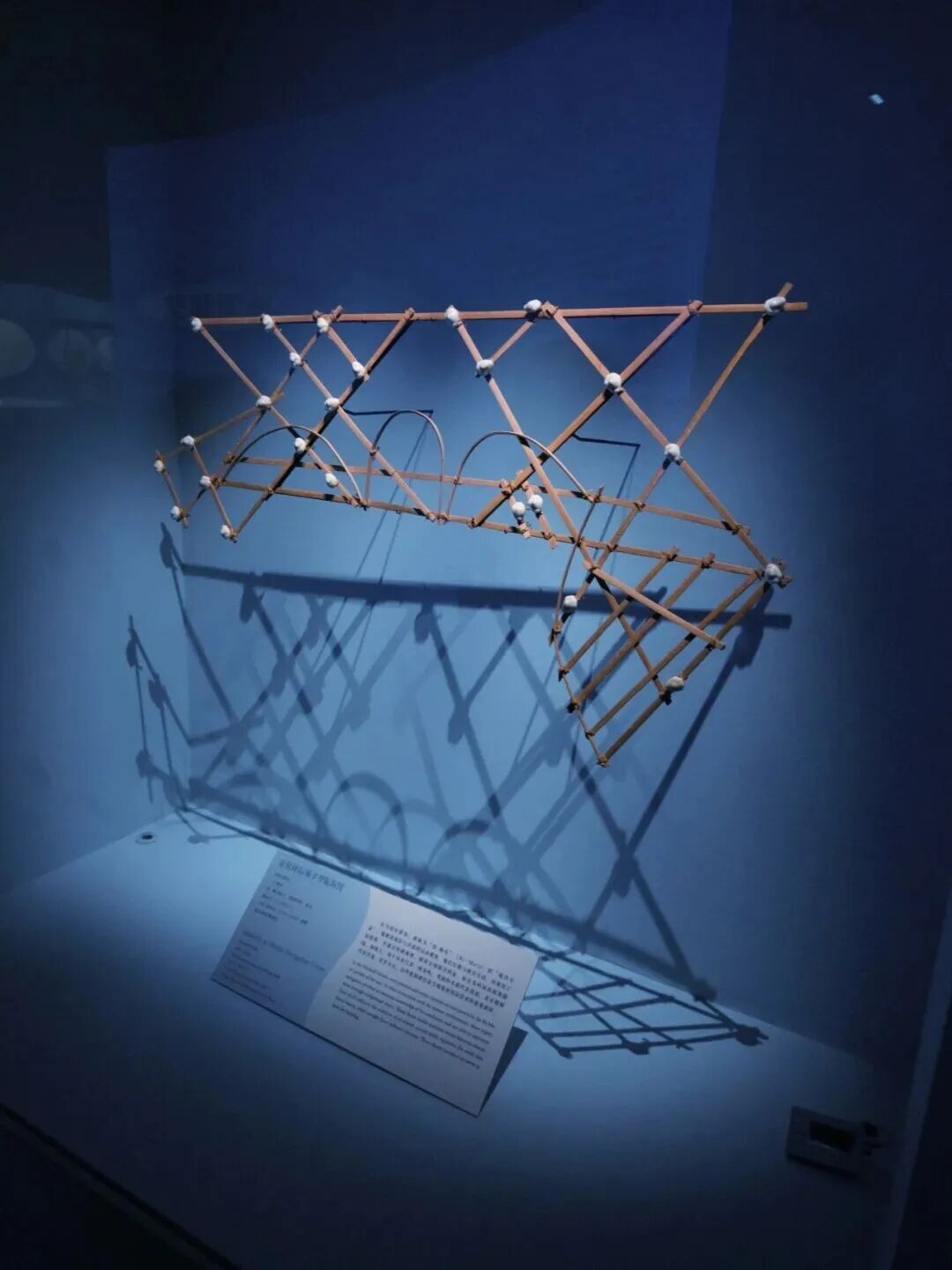
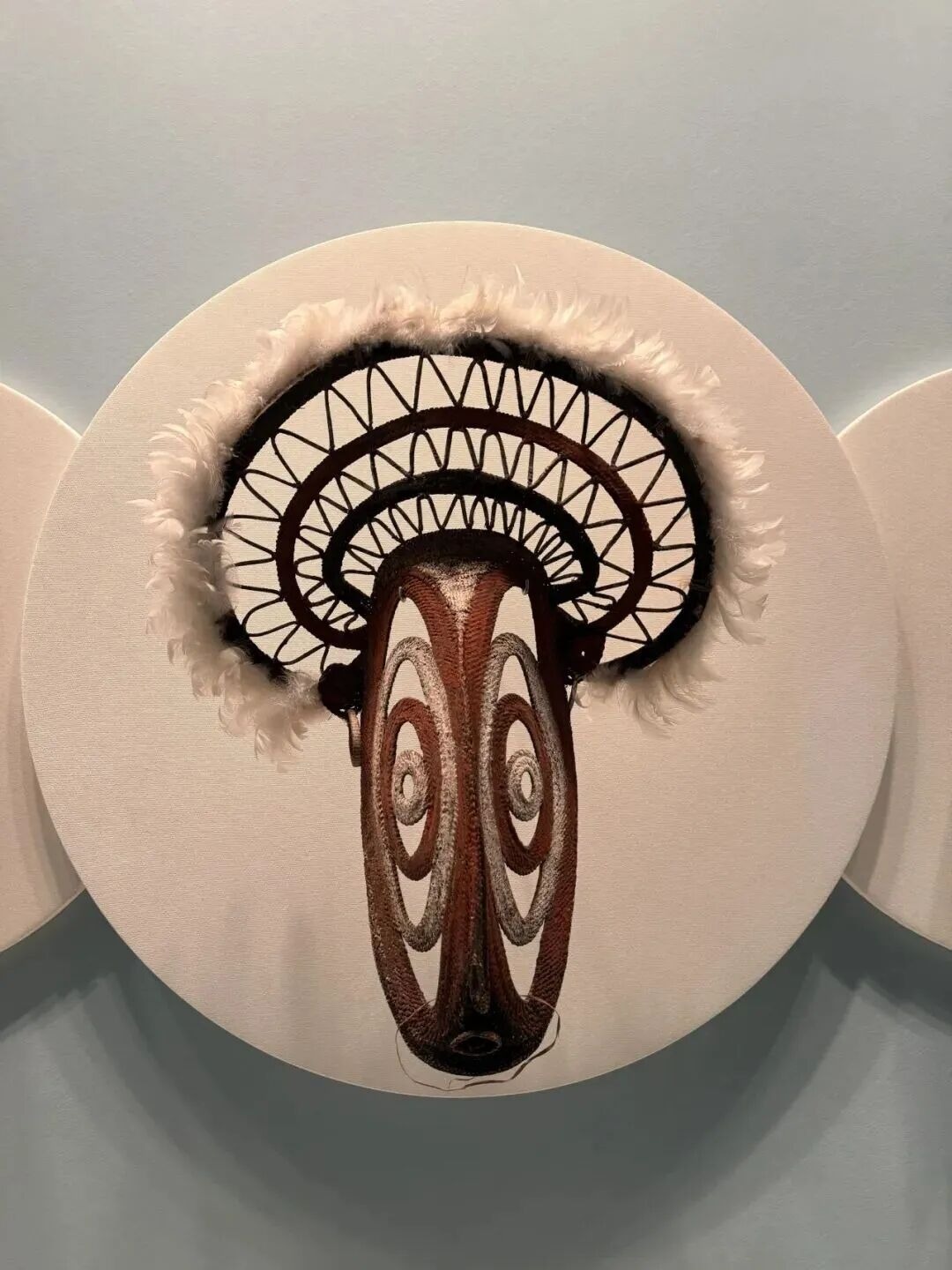
At the Nanshan Museum in Shenzhen, students explored the "Arts of the Great Ocean" exhibition, focused on Melanesian and Polynesian art. A scavenger hunt invited them to find artworks related to their studies, including the Navigation Chart, Dogai Mask, Malagan Ceremony, tapa cloths, and staff gods. Its prompts encouraged respectful gallery behavior and close observation, asking students to consider regional geography and navigation, artistic materials and function, and the ways artworks connect to cultural practices. Students also considered natural resources used across artworks and chose an additional piece for closer analysis.
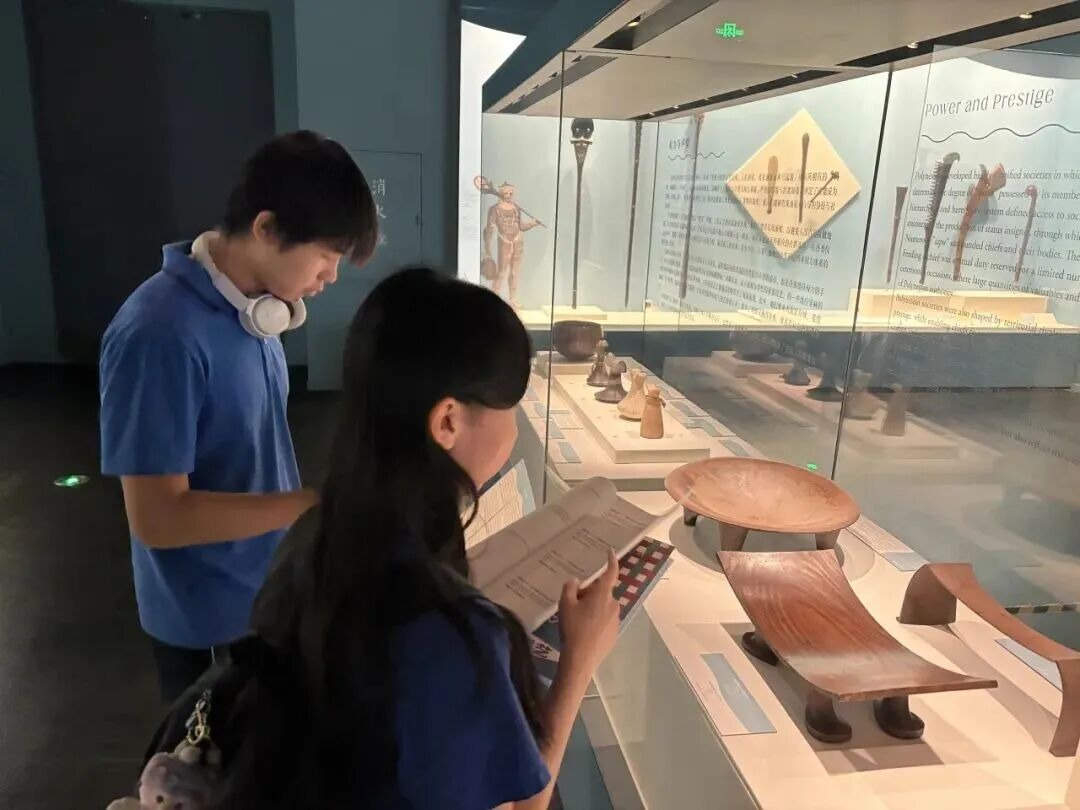
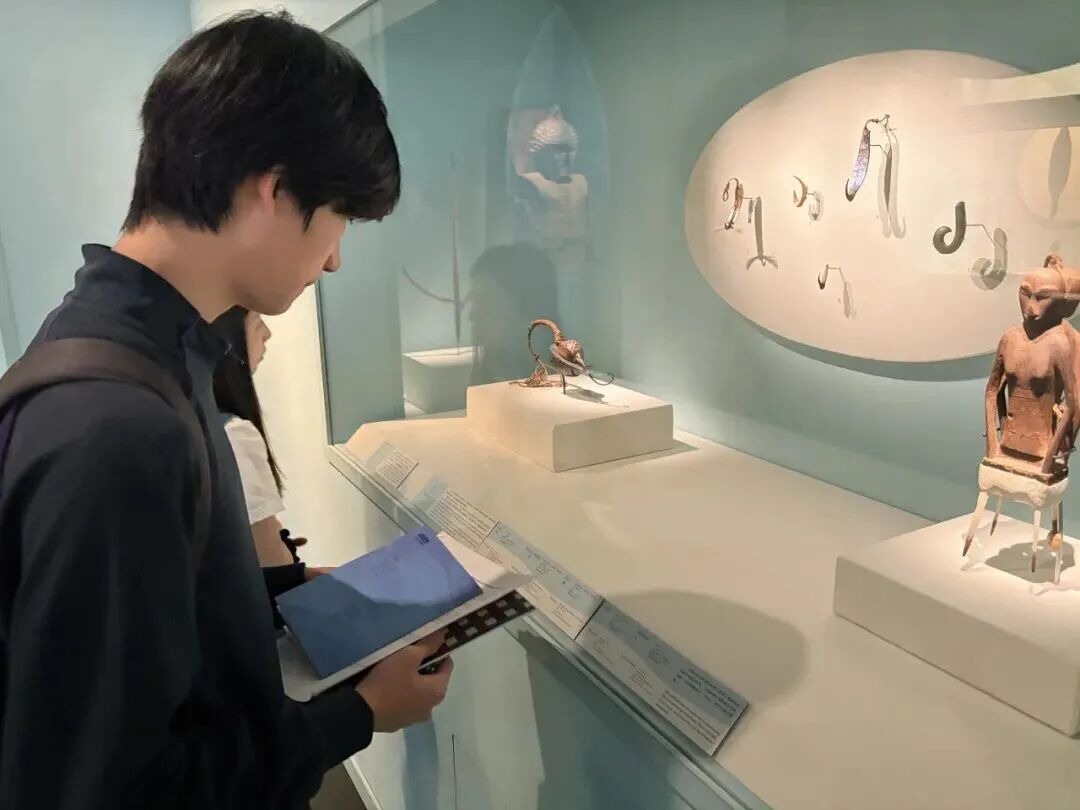
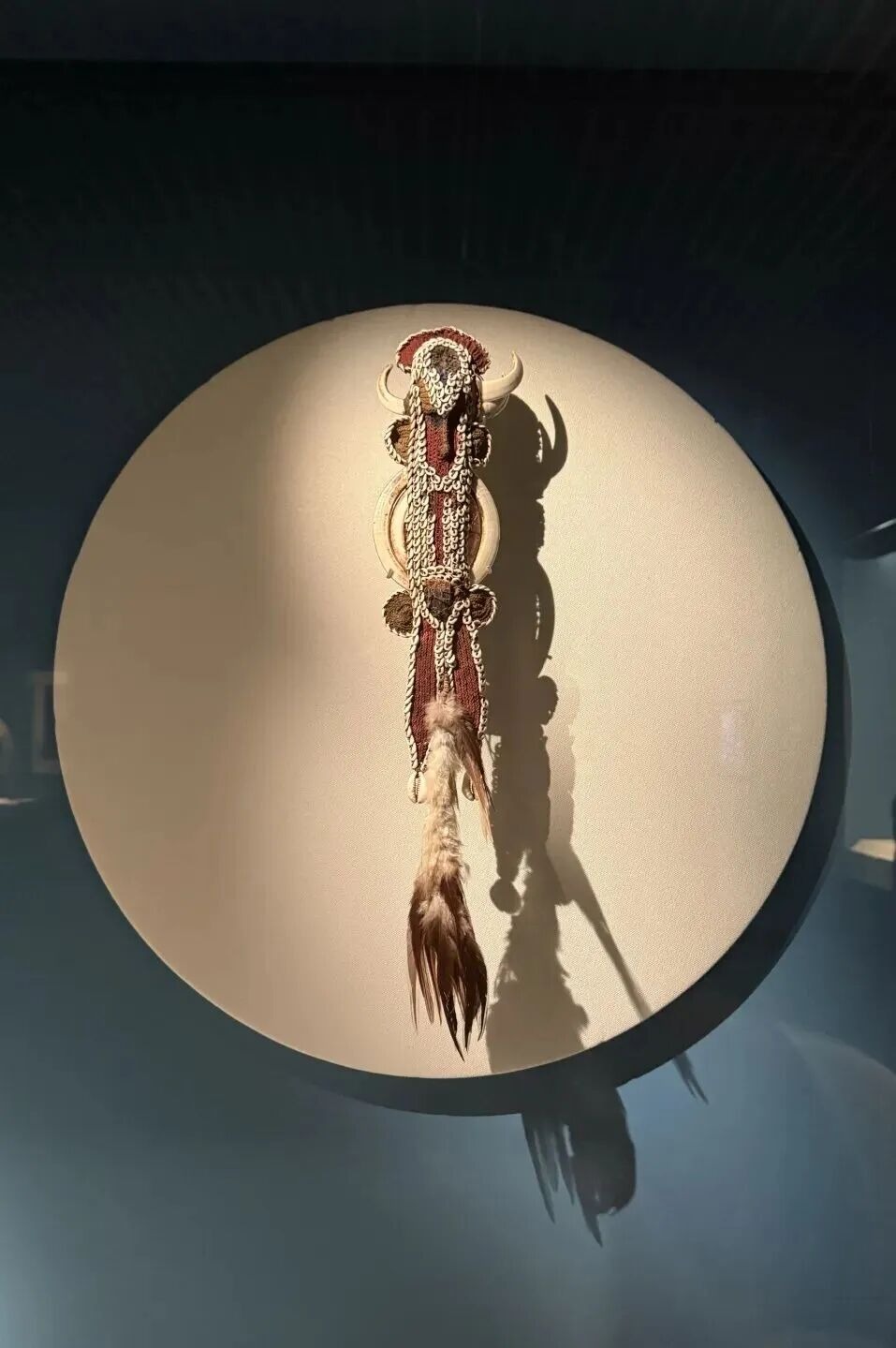
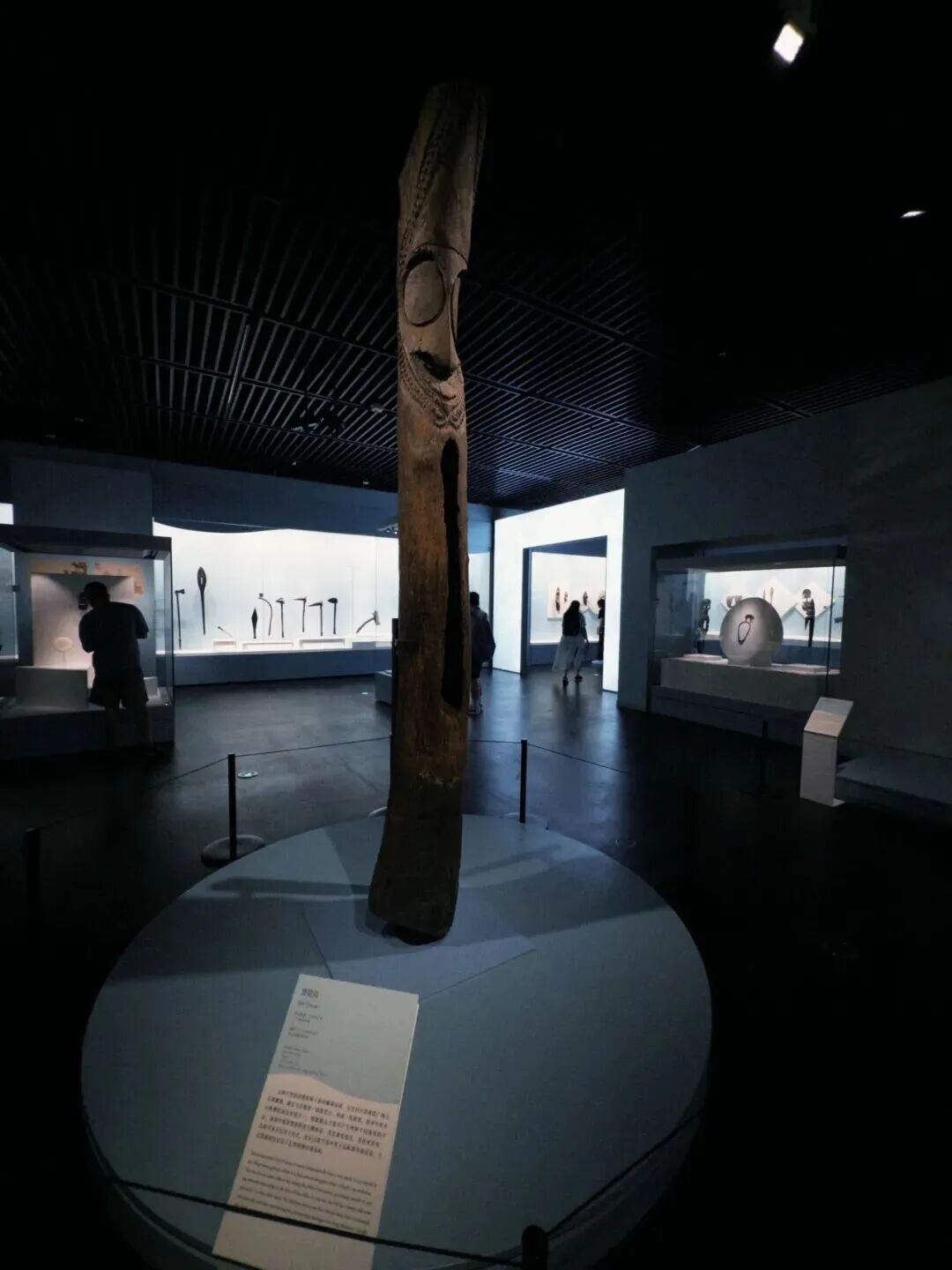
The activity was only one part of the visit. Students were also encouraged to select an artwork outside the scavenger hunt that intrigued them. Some favorites included a large human-faced drum, canoe prow ornaments, and a variety of masks. That personal choice gave students room to follow their curiosity and look beyond the works they already recognized from class.
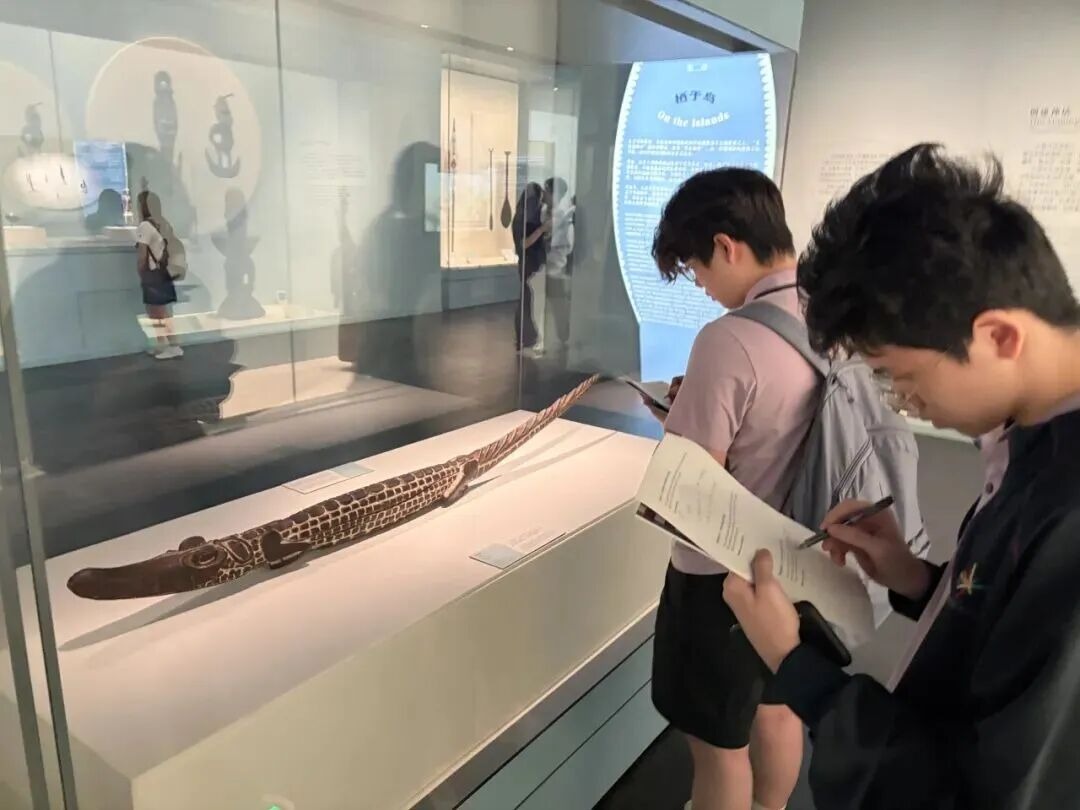
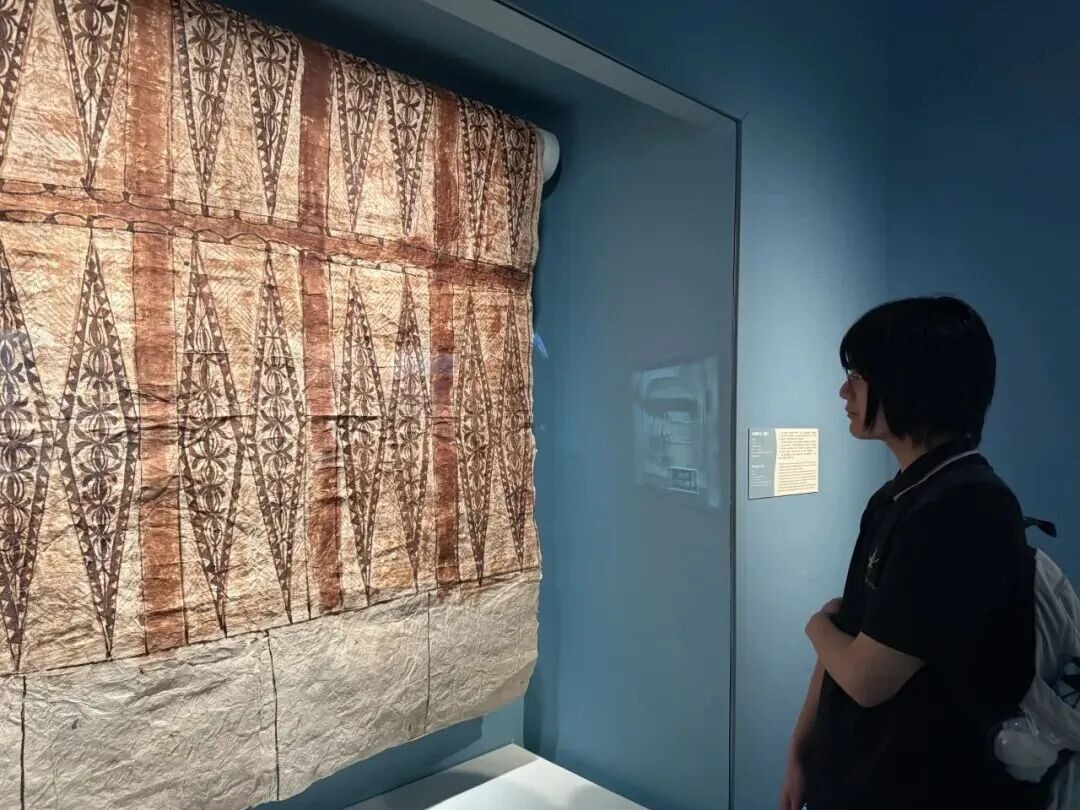
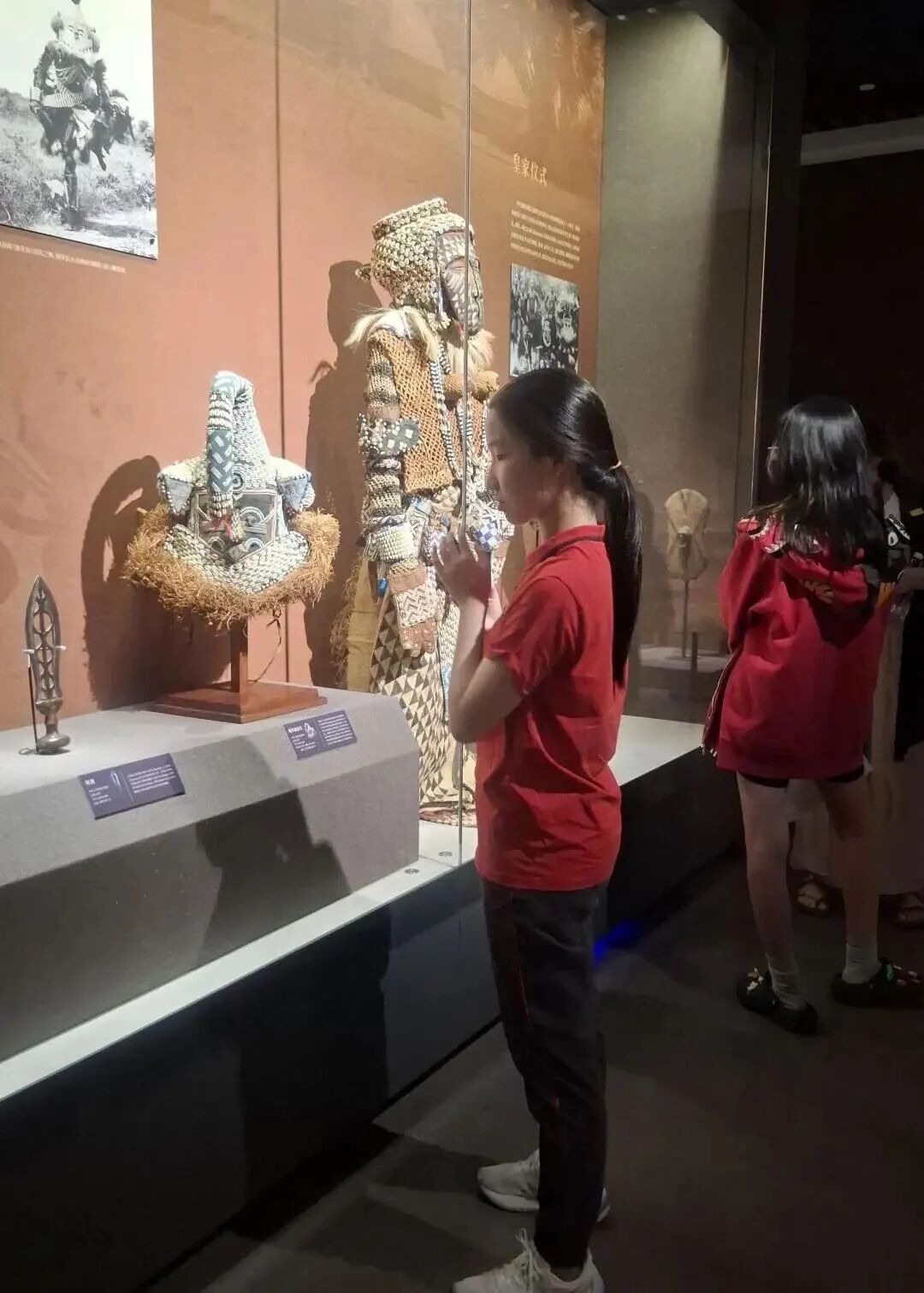
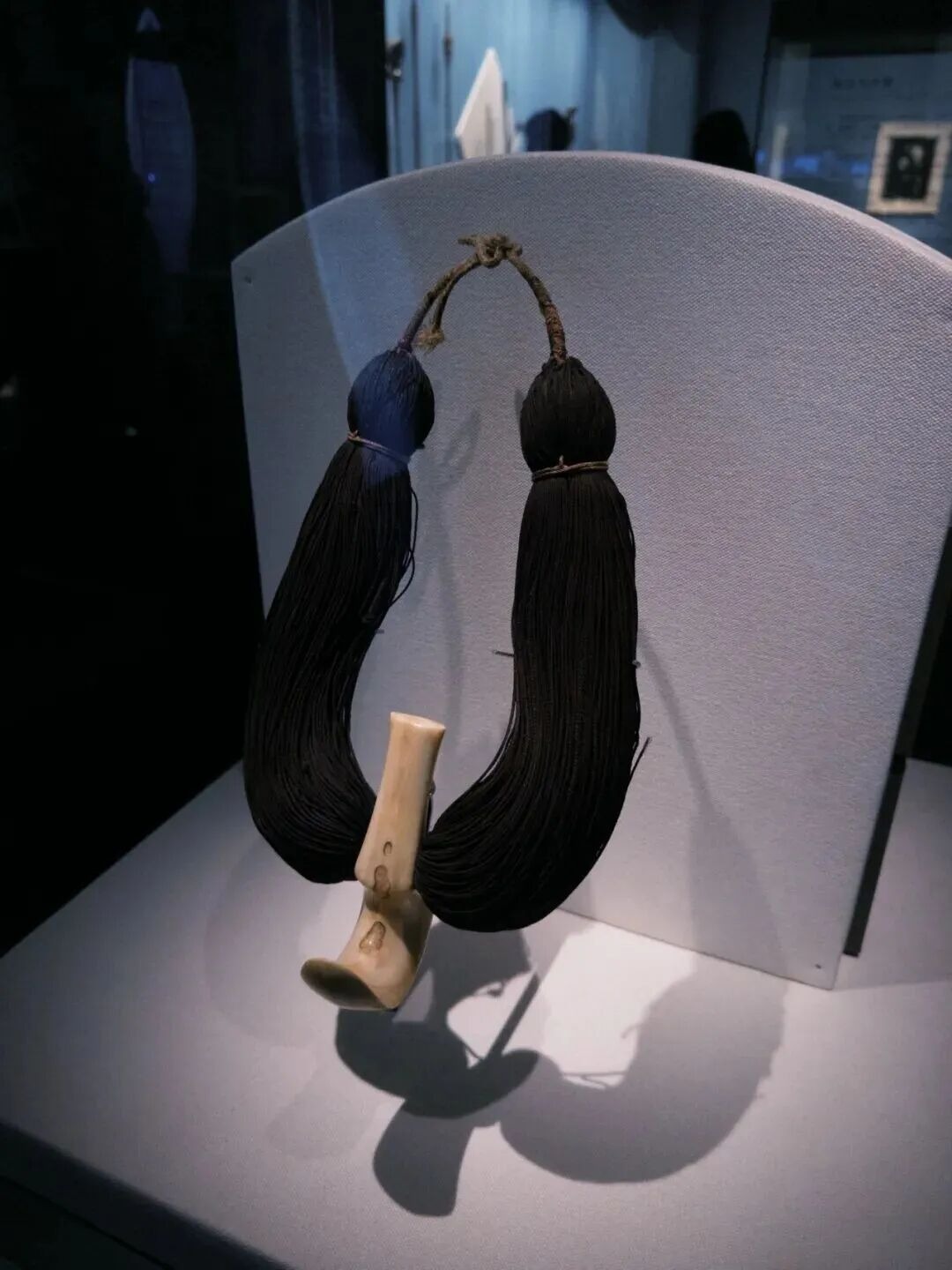
In the galleries, students could examine details that images on a screen cannot fully convey: the scale of an object, intricate carving, shell embroidery, and the textures of tapa bark cloth, raffia fiber, and frigatebird feathers. Some students were surprised that artworks were larger or smaller than they had imagined. Others wondered about the time and labor involved in gathering materials and creating such intricate works. They also noticed human hair incorporated into some artworks and discussed its connection to mana, or spiritual power.
Students looked critically at the exhibition, too. They suggested that it could be improved by including more works from Micronesia and offering additional cultural context, such as explanations of why particular materials were chosen. These comments reflected the students' own observations and questions; Micronesia was an area they felt the exhibition could represent more fully.
The Nanyue King Museum &
The Guangzhou Maritime Museum
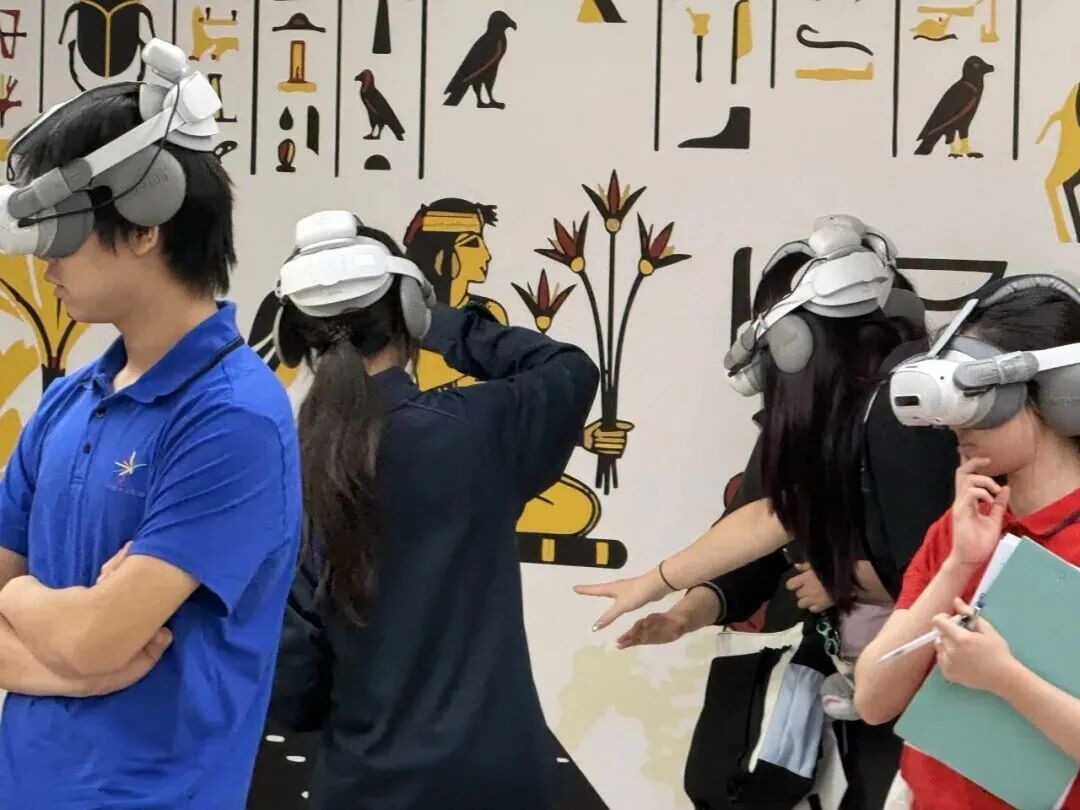
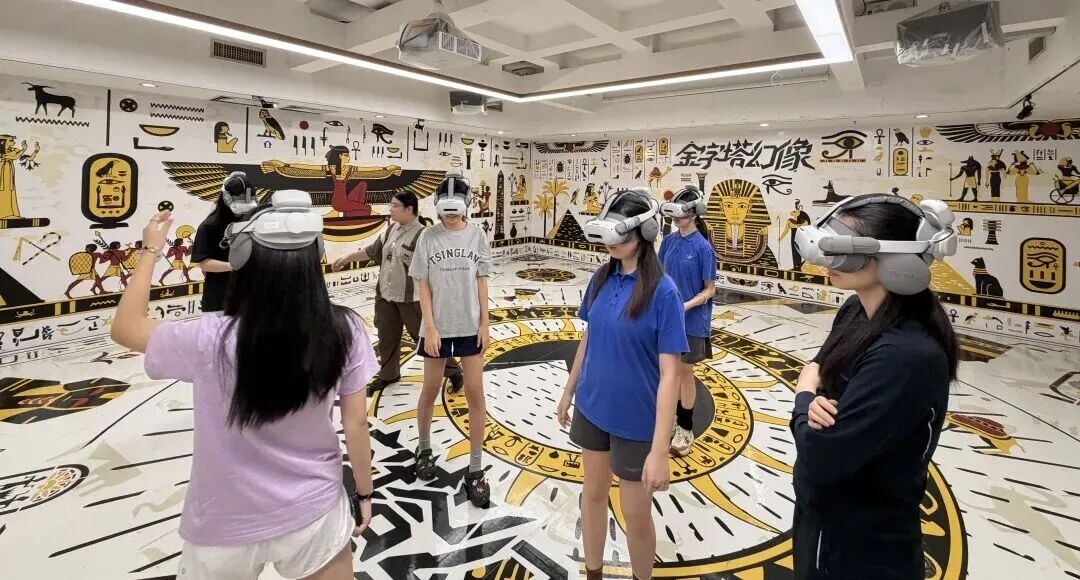
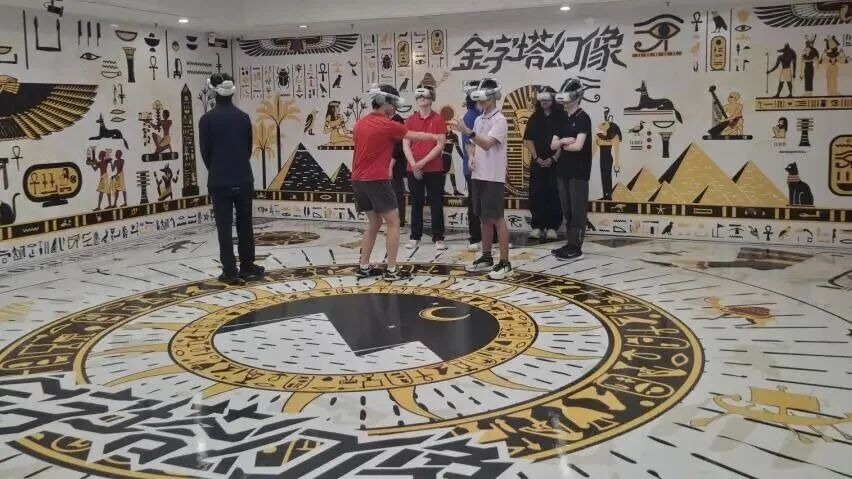
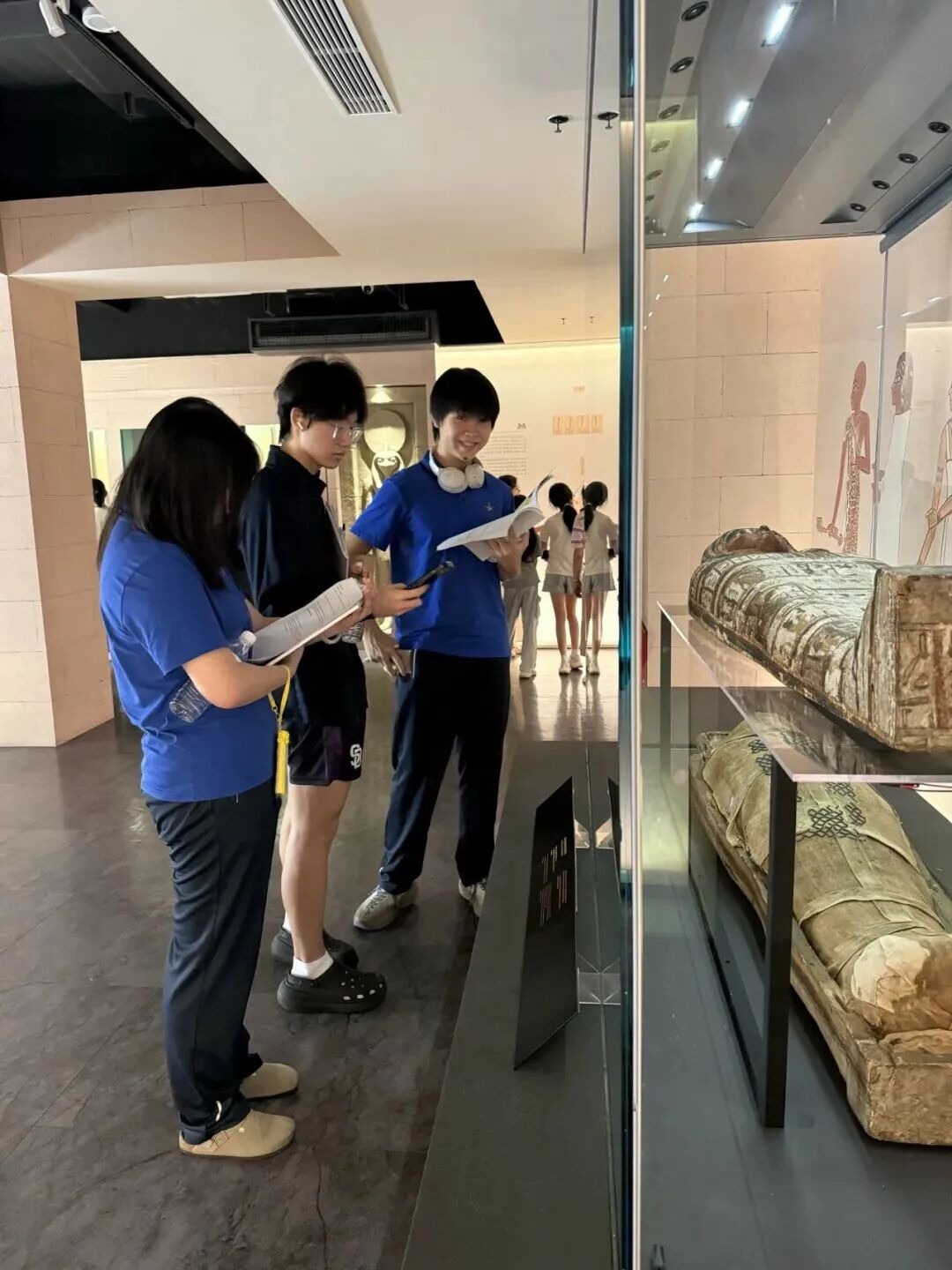
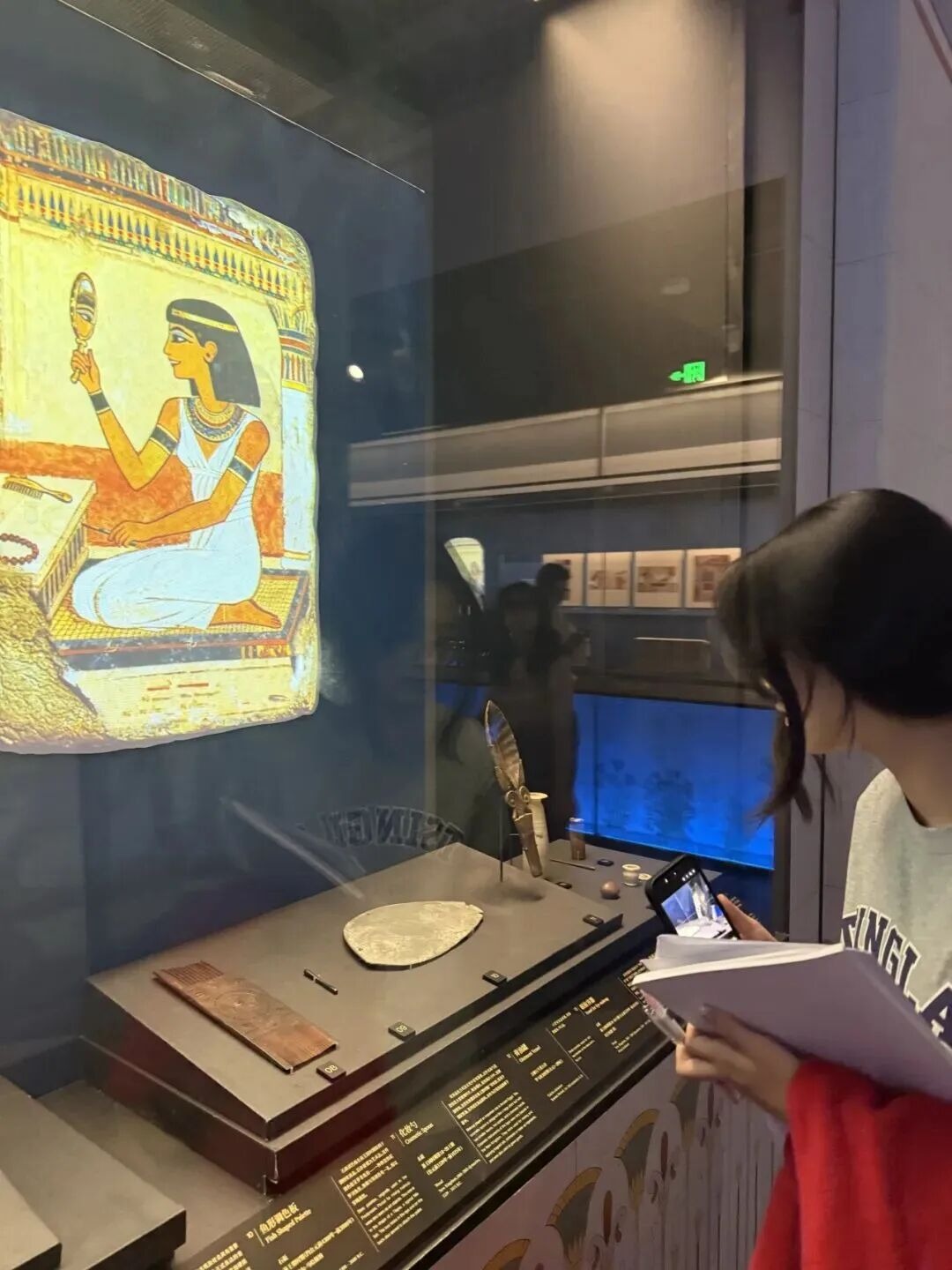
Later in September, students spent a full day visiting the Nanyue King Museum and the Guangzhou Maritime Museum. At the Nanyue King Museum, students began with a guided tour that oriented them to the exhibition layout and highlighted the Pharaoh lineage, the Book of the Dead, and real mummies. They then explored the "Gifts of the Nile" exhibition and took a virtual-reality tour of Khufu's pyramid. The VR experience was a highlight, bringing many smiles and laughs while helping students understand the pyramids. It introduced them to ideas about the pyramid's construction and daily life, as well as funeral rituals, including the weighing of the heart against a feather beneath the gaze of Anubis.
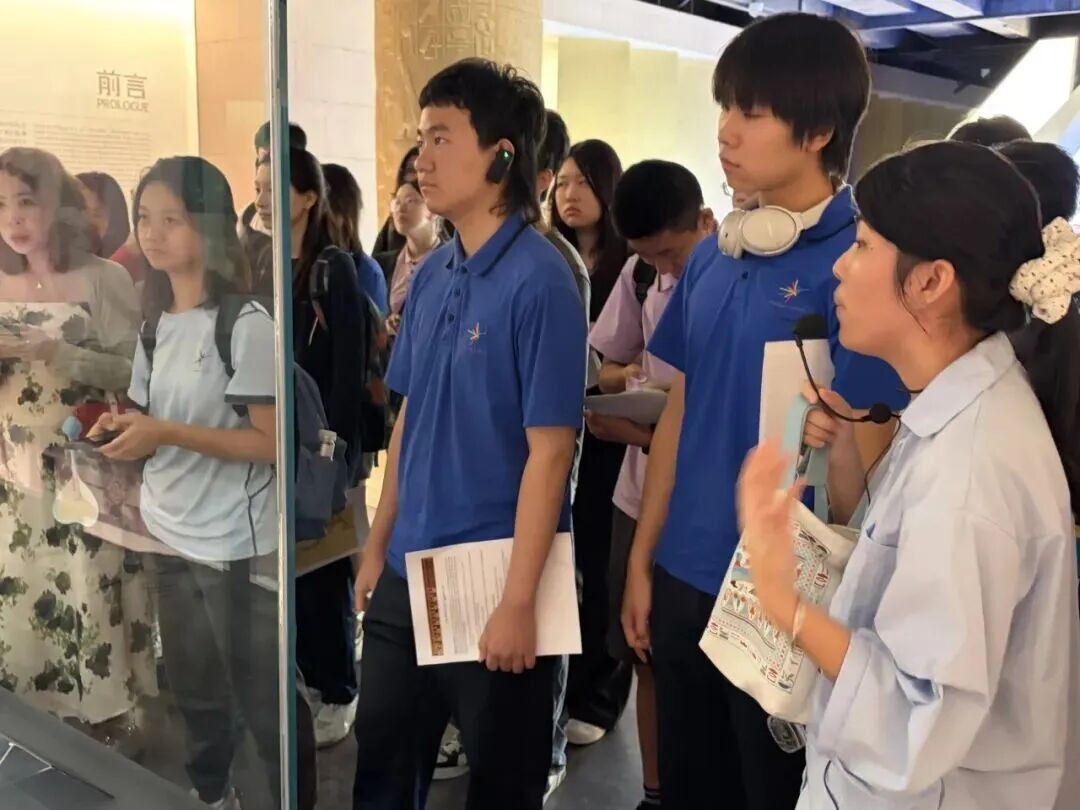
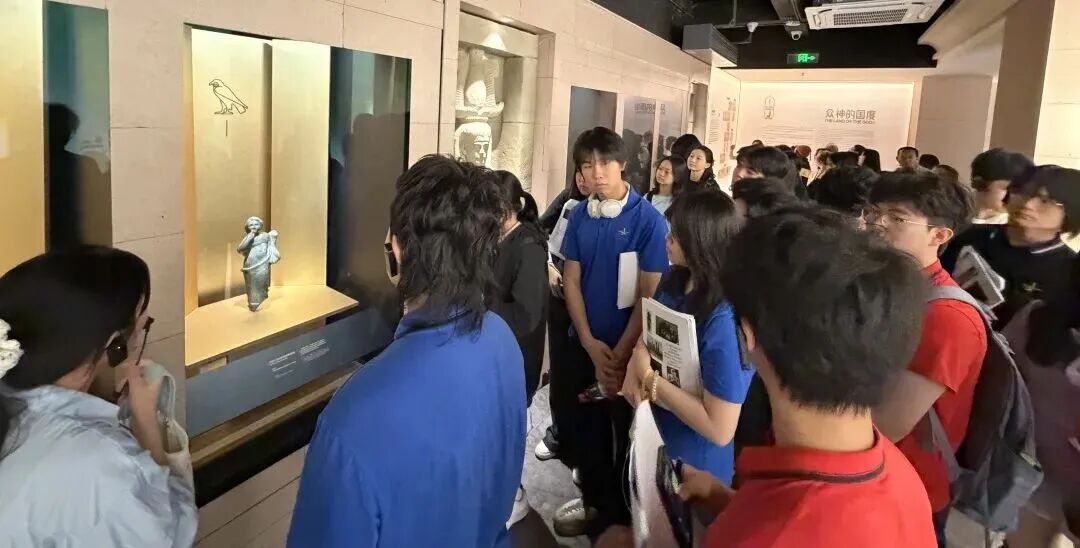
The Egyptian exhibit scavenger hunt gave students a wide range of ways to investigate ancient Egyptian art and beliefs. Prompts asked them to map locations, create a timeline, track deities and changing depictions, and consider the Book of the Dead and beliefs about the afterlife. Other tasks invited visual analysis of Akhenaten and Nefertiti, comparison of a makeup tool with the Palette of King Narmer, and study of cats, mummification, pharaohs, sculpture types, and materials. The worksheet also asked students to reflect on how the virtual-reality experience conveyed depth and space, compare Egyptian and Chinese burial traditions, and support conclusions with evidence from the exhibition.
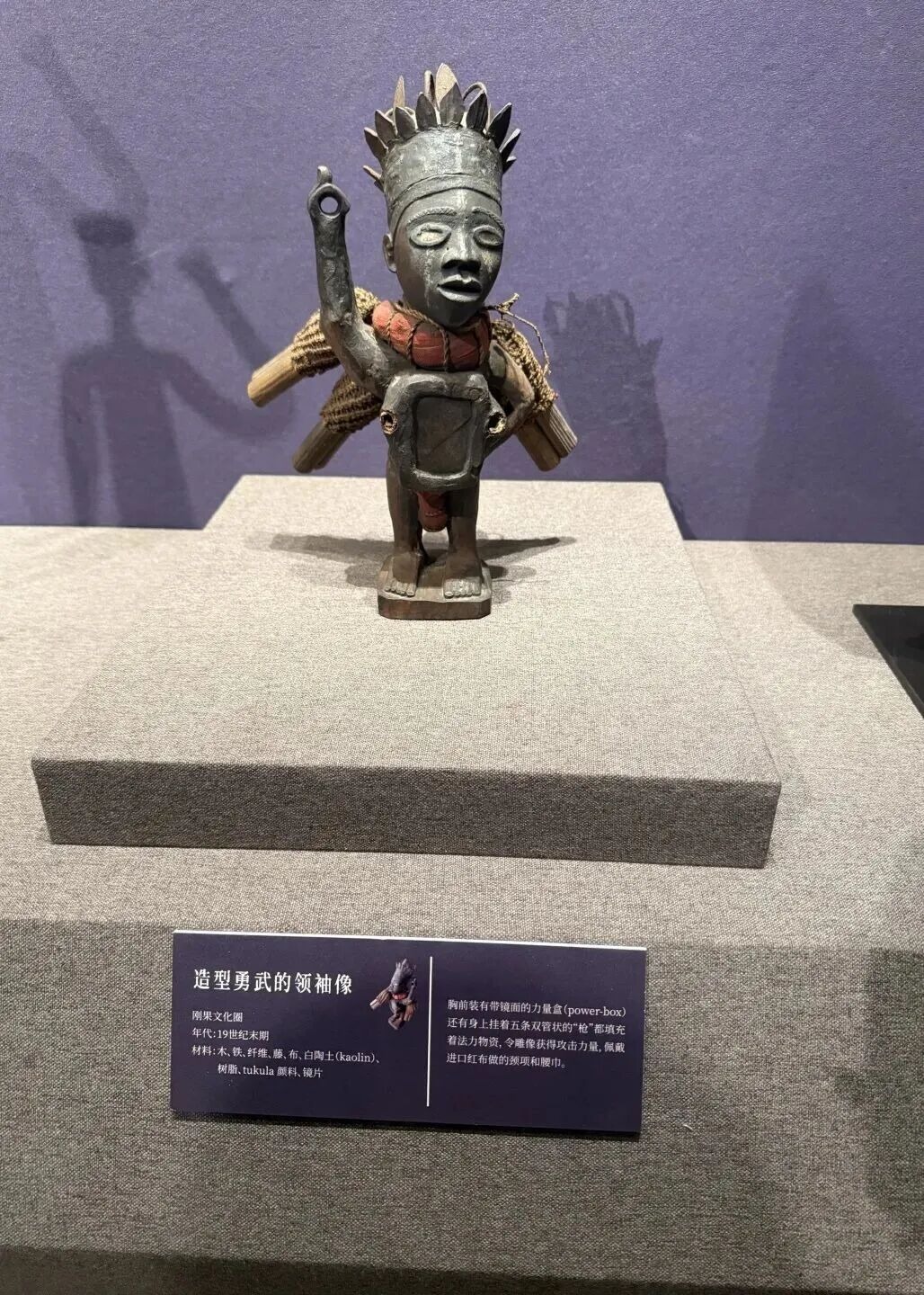
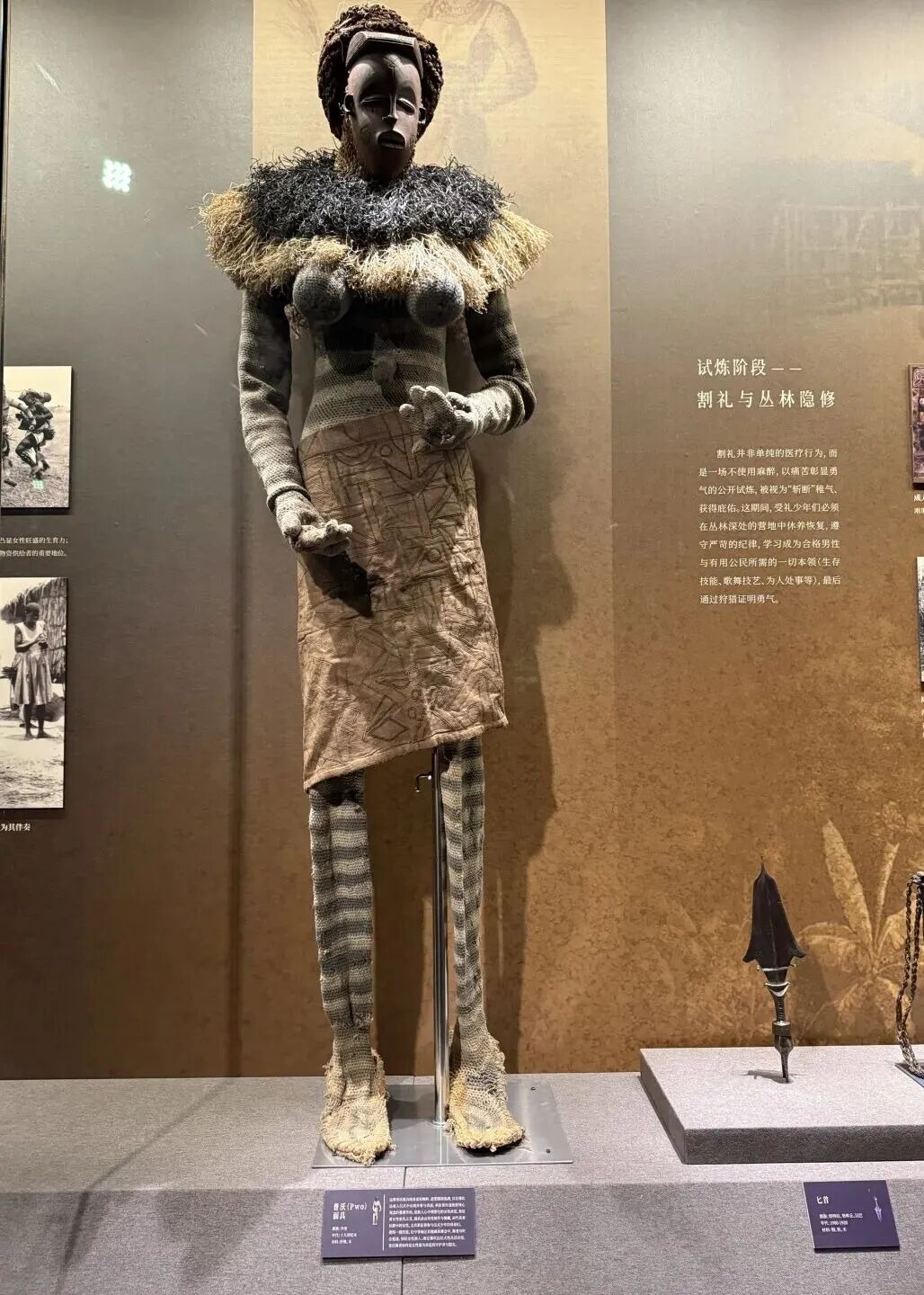
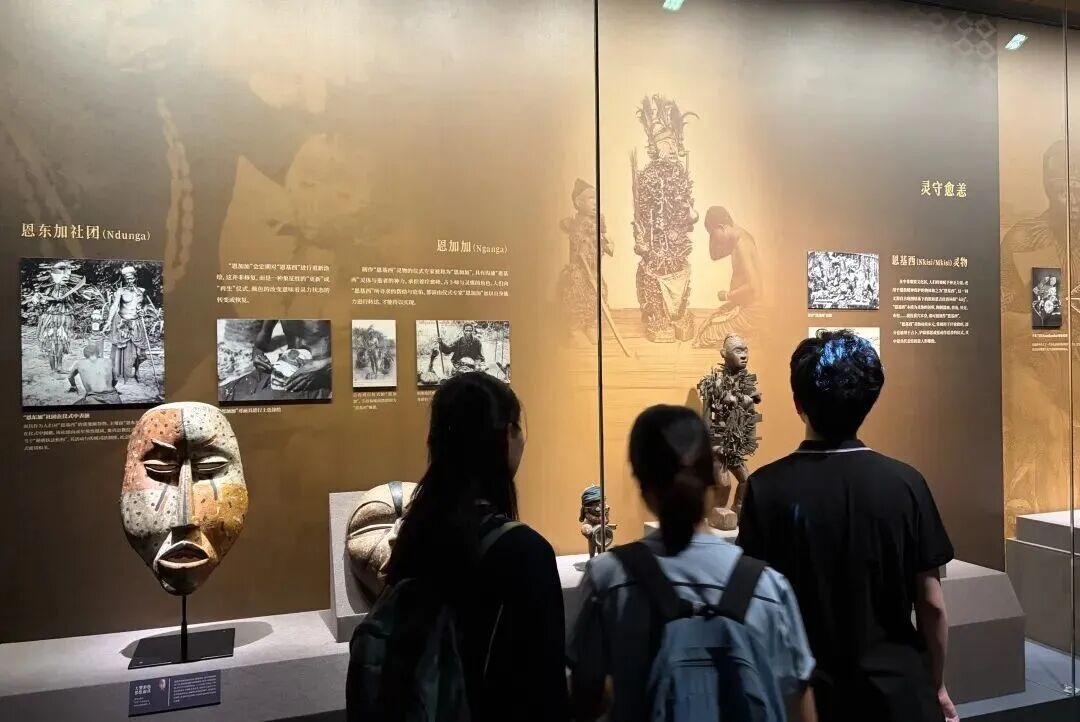
At the Guangzhou Maritime Museum, an exhibition of African masks and weapons connected directly to the class's African art unit. Students encountered power figures in different forms, making tangible connections to course material. They viewed a Pwo mask with its full costume, which helped them observe how raffia formed part of the ensemble, and examined a mask resembling the elephant mask they had studied in class. Up close, beads and cowrie shells offered details for careful observation and discussion, allowing students to consider how materials and decorative details contribute to a mask's visual effect.
Making Connections
Across the three visits, students practiced moving from identifying an artwork to interpreting it: What do I notice? What evidence supports my interpretation? How might the object's materials, function, culture, and setting influence its meaning?
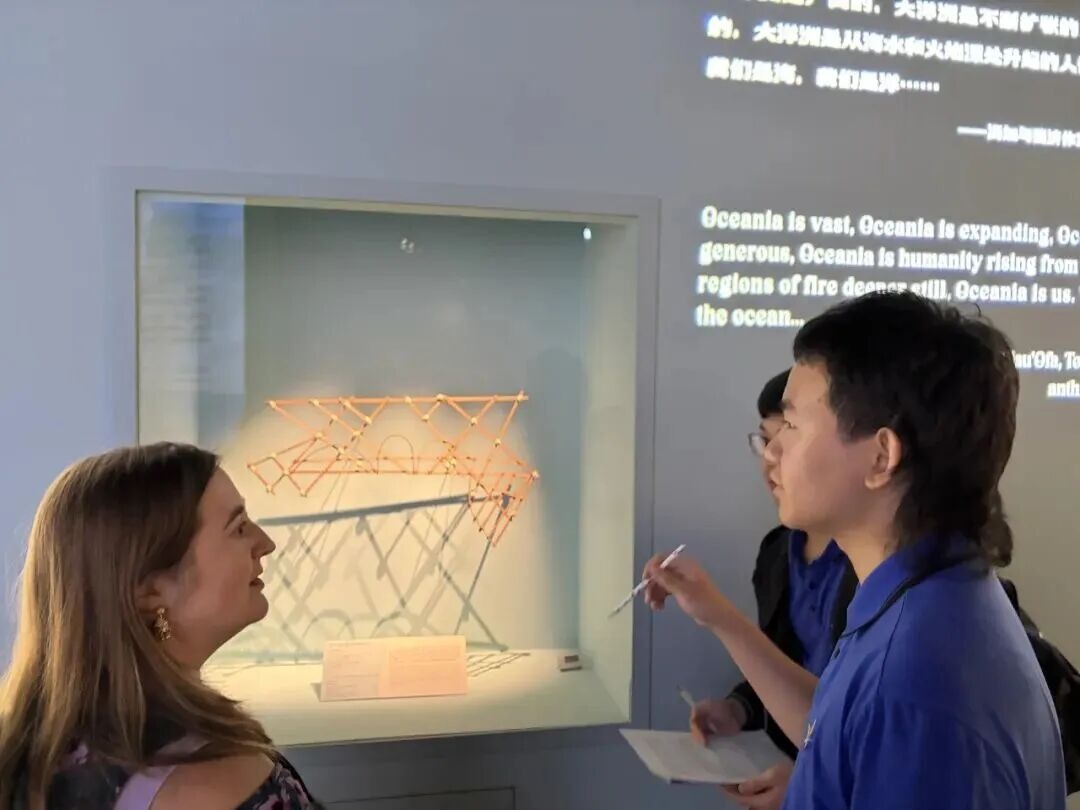
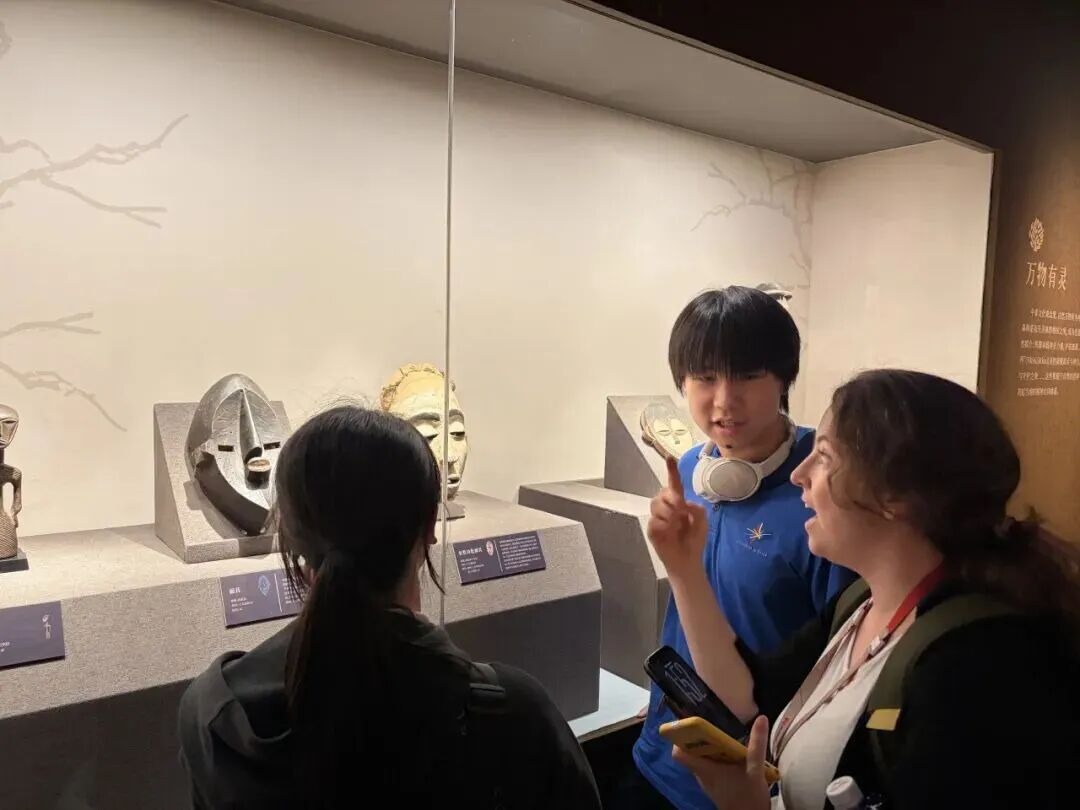
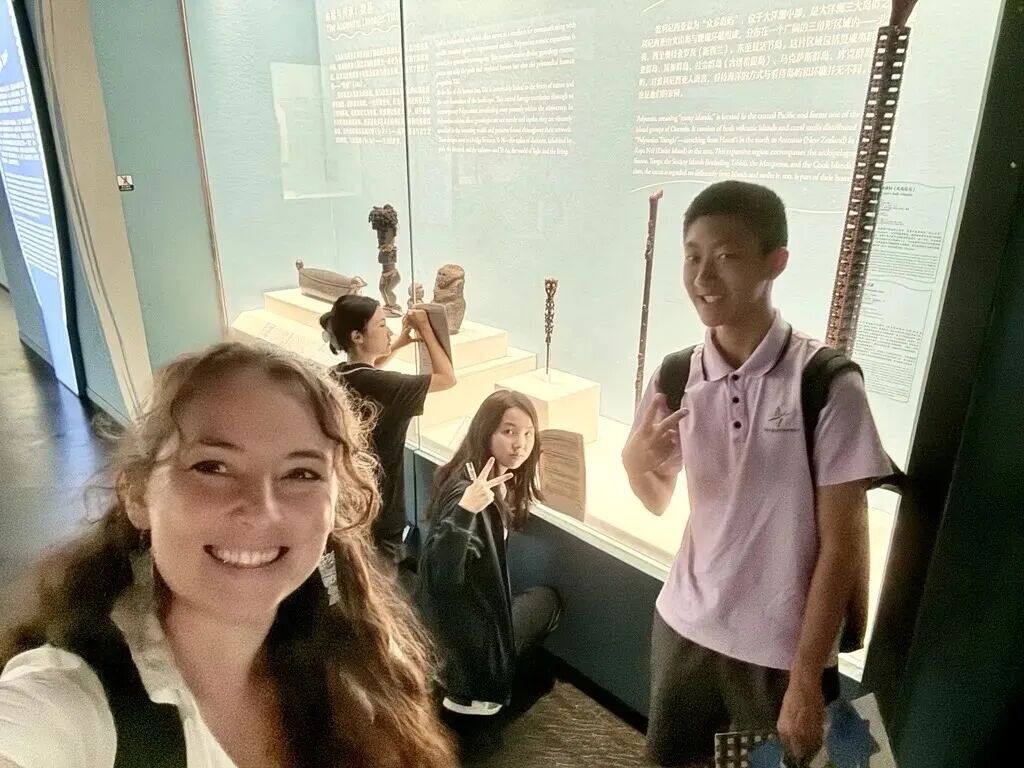
Mrs. Fletcher and Mrs. Castins held individual conversations with students as they explored, asking what they noticed and how they understood unfamiliar works. These exchanges helped students connect their observations to course ideas, build interpretations from visual evidence, and consider more than one possible way to understand an artwork.
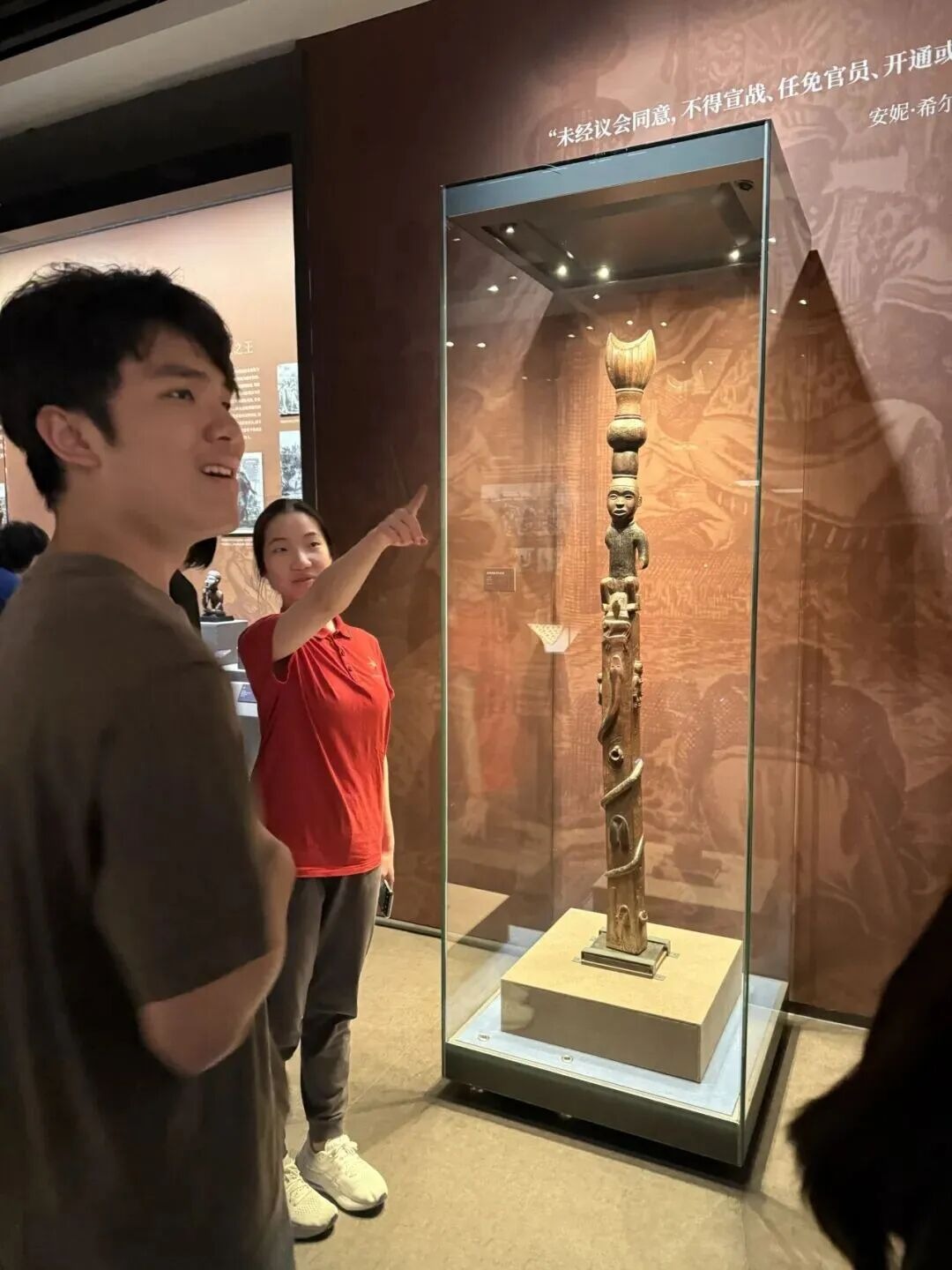
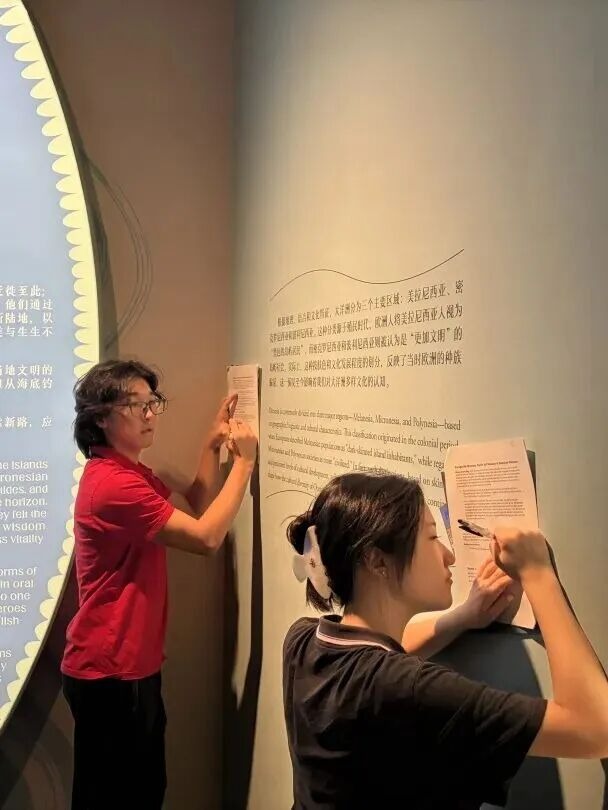
The museum labels themselves became part of the learning. Some labels in the African exhibition provided only a basic name, with little information about an object's use, culture, or location. This encouraged students to ask why attribution and context matter when museums present art, and how a visitor's interpretation may be limited when that information is missing. Students could consider how to make an exhibition more informative without assuming that a sparse label tells the whole story.
Until our next adventure,
Mrs. Fletcher and Mrs. Castins
The following photos were taken by Justin H.
文字 Writing | Jennilee Fletcher, Gaelan Castins, Jesse Wang
图片 Photos | Jennilee Fletcher, Gaelan Castins, Jesse Wang, Justin He
编辑 Editing | Leo Xiang
审核 Auditing | Cici Chen, Julia Hu, Wenting Bai